
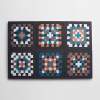
greek bathroom ideas: from santorini whitewash to island stone
by clé tile | published: Oct 31, 2026

a greek bathroom is recognized by the way it holds daylight. pale walls soften the sun, cool stone reflects it, and a narrow flash of sea blue brings the outside in. the effect is quiet but unmistakable, shaped by the materials and architecture of the greek islands rather than any particular motif. the best greek bathroom ideas capture that quality without turning the room into a theme.
there are three distinct directions to consider: the luminous simplicity of cycladic whitewash, the measured elegance of classical stone, and the earthy character of island clay and pebble. each offers a different way to bring greek style bathroom design into a real home, from wall and shower finishes to flooring and carefully placed color. we'll look at how to translate these materials into bathrooms of different sizes, including the practical considerations of grout, sealing, slip resistance, and long-term care. whether you're drawn to santorini bathroom ideas or a more understated greek inspired bathroom, the goal is the same: a room that feels shaped by light, place, and material—not decoration.
the greek bathroom at a glance
- cycladic whitewash: pale, luminous surfaces that soften daylight and keep the room feeling open.
- classical stone: thassos marble, white limestone, and dolomite bring a quieter, more architectural character.
- island clay: terracotta floors introduce warmth and earthy contrast against white walls and pale stone.
- blue as an accent: take the cue from greek doors, shutters, and domes; use one deliberate note rather than a room full of blue and white.
- handcrafted surfaces: subtle glaze variation and natural texture create depth without relying on decorative motifs.
- materials with practical demands: choose appropriate finishes for wet floors, waterproof shower walls correctly, and account for the sealing and grout maintenance that natural materials require.


what makes a bathroom feel greek, and what makes it feel like a theme
cycladic architecture developed its signature whitewash for practical reasons long before it became an aesthetic shorthand for the greek islands. lime coatings helped keep buildings clean and reflected the intense summer sun, creating the bright, cool interiors that still define places like santorini. the effect comes from light interacting with simple surfaces, not from decoration.
blue plays a similarly considered role. across the islands, it appears in accents on doors, shutters, and domes, offering a vivid contrast against white walls and pale stone. that restraint is worth carrying into the bathroom: think pale, cool, tactile materials, plenty of light, and a single deliberate note of color. columns, classical busts, amphora vases, and decorative borders on every surface may reference greek history, but they rarely capture the feeling of greek architecture. a more convincing greek inspired bathroom lets the materials do the talking.
santorini bathroom ideas: whitewash, blue, and cave-house curves
the white that isn't flat
the white of a santorini building is rarely a uniform, featureless white. limewashed walls have a soft, slightly irregular surface that catches daylight and gives even the simplest room a sense of depth. flat white paint and perfectly uniform tile can feel much colder by comparison. in the bathroom, glossy white and warm-white handcrafted tile offer a way to bring some of that luminosity into the shower. the glaze shifts with the light, revealing subtle variations in tone and surface that make a white wall feel alive.
it's worth making one distinction: handcrafted zellige tile is a moroccan practice, not a traditional greek material. its relevance here is the way its handcrafted surface captures and reflects light, echoing the visual depth of whitewashed architecture. for a deeper look at the material and its origins, see our moroccan tile bathroom ideas guide. limewash and decorative plaster can work beautifully on dry bathroom walls, but shower walls require tile or a specialist-applied waterproof system designed for wet areas. the right substrate, waterproofing, and installation matter just as much as the finish.
santorini blue, used the way santorini uses it
in the cyclades, blue is most compelling when it appears in contrast to white: a door, a shutter, a dome against the bright architecture. the same restraint works in a bathroom. rather than wrapping the room in blue-and-white tile, choose one deliberate accent: a tiled niche, a narrow band, or a single feature wall. a handcrafted glaze with natural variation gives blue more depth, keeping it from feeling flat or overly coordinated.
the right shade depends on the room and its light. pale sea-glass tones can feel airy and quiet, while saturated cobalt makes a stronger architectural statement. either can work against matte white walls, warm-white tile, or pale stone. bring samples into the actual bathroom and look at them in morning and afternoon light before settling on a color. a little blue goes a long way; covering every surface in a blue-and-white pattern is more likely to create a theme than evoke the islands.
cave-house curves and arched niches
santorini's cave houses take their distinctive forms from the island's volcanic landscape, with interiors shaped into the cliffs and softened by rounded ceilings, vaulted spaces, and curved openings. a bathroom doesn't need to reproduce that architecture literally to borrow its sense of softness. an arched shower niche, a rounded shower entrance, or a gently curved vanity wall can introduce the same sculptural quality without relying on decorative greek motifs.
these details do require thoughtful planning. curves and arches are more demanding to tile than flat walls, particularly when using handcrafted materials with natural variation. smaller-format tile can follow a radius more easily, while careful layout helps keep grout joints consistent and cuts intentional. work with an installer experienced in curved surfaces and handmade tile, and resolve the waterproofing and niche details before installation begins. clé's shower wall tile collection offers materials to consider for these more architectural applications.


classical marble and limestone: greek stone, chosen with care
the bright white stones
marble has an enduring place in the architecture and sculpture of classical greece, where its clarity and ability to hold fine detail made it a material of lasting significance. the island of thassos, in northern greece, is particularly renowned for its bright white marble, prized since antiquity for its luminous, crystalline appearance. that connection makes white stone a natural starting point for a more classical interpretation of greek style bathroom design. clé's lapidary stone library includes a thassos colorway, alongside white limestone and dolomite, offering several ways to work with this restrained palette.
the differences between these stones are worth considering before choosing one for a bathroom. bright white marble has a crystalline quality that reflects light, often with subtle variations in tone and veining. white limestone tends to be softer and more muted, with a quieter, more organic surface. dolomite offers a similarly refined appearance, often with restrained veining, but is denser than marble and more resistant to everyday wear. it can be a practical alternative when the goal is the elegance of natural stone with a little more durability.
where stone belongs in the wet room
natural stone brings a sense of permanence to a bathroom, but its finish and placement matter. on floors, honed or textured surfaces generally offer better traction than polished stone, particularly where water is likely to collect. polished marble can be beautiful on shower walls, vanity walls, and other vertical surfaces, where its reflective quality becomes part of the room without creating the same underfoot concerns. limestone and travertine also require care in wet areas: their surfaces can become slippery when wet, so choose the finish with the intended application in mind. for more guidance on choosing materials underfoot, see our guide to bathroom floor ideas.
stone doesn't have to cover every surface to make an impression. a limestone vanity wall, a marble bench, or a carefully placed slab at the back of a tiled shower niche can establish the classical register without overwhelming the room. these smaller applications also let the natural variation of the stone become a focal point rather than a repeating background.
honest care is part of choosing natural stone. depending on the stone and its finish, an impregnating sealer may be recommended at installation and periodically afterward. sealing helps resist staining, but it does not make stone stain-proof or eliminate the possibility of etching. ask your stone supplier and installer which treatment is appropriate and how often it should be renewed.
for everyday cleaning, use a pH-neutral stone cleaner or mild soap and water; acidic products such as vinegar and lemon-based cleaners can etch calcium-based stones like marble and limestone. the natural stone institute's care and cleaning guidance is a useful reference. with the right finish, installation, and maintenance routine, stone can bring lasting character to a bathroom.
island stone and clay: pebble mosaics and terracotta underfoot
pebble and mosaic floors, the greek courtyard indoors
mosaic floors have a long history in greece, from the elaborate stone compositions of antiquity to the pebble mosaics that still appear in island courtyards and public spaces. their appeal comes from the interplay of small pieces, natural variation, and pattern underfoot. brought into a bathroom, a pebble-texture or stone mosaic shower floor introduces a similar sense of craft and texture, especially when balanced by quieter walls and restrained finishes.
there is a practical consideration, too. smaller mosaic pieces create more grout joints, which means more places for soap residue and mineral deposits to collect. regular cleaning and appropriate grout selection become part of maintaining the floor. for a closer look at pebble surfaces, slip resistance, and care in a coastal setting, see our coastal bathroom tile ideas guide.
for a more architectural interpretation of this tradition, clé's lapidary stone library offers micro-mosaics and rough-cut mosaic sheets that bring texture and variation into a more controlled composition. before specifying any mosaic for a shower floor, confirm that its finish, dimensions, and installation system are suitable for wet-floor use and provide the necessary traction. the right material needs to work as well underfoot as it looks on the mood board.
terracotta against white
few material pairings feel as naturally connected to the greek islands as warm clay beneath pale walls. terracotta introduces the earthy color of the landscape into a bathroom, grounding the brightness of white plaster, stone, and tile. it also makes the room feel more lived-in than a scheme built entirely around cool whites and polished surfaces. as a floor, it offers a particularly inviting counterpoint to the luminous walls of a cycladic-inspired bathroom.
the choice between glazed and unglazed terracotta changes both the appearance and the maintenance requirements. unglazed terracotta has an open, porous surface and a more immediate connection to traditional clay flooring. its color and texture can develop a rich patina with use, but it requires appropriate sealing to help protect against moisture and staining. glazed terracotta has a protective surface that can make routine cleaning easier, while retaining the warmth and variation of the clay beneath. its glaze and texture still need to be evaluated for slip resistance before it is used on a bathroom floor.
terracotta should be sealed with a product appropriate to the specific tile and installation, with the installer confirming whether additional treatment is needed for grout and how often the sealer should be renewed. avoid assuming that every terracotta tile has the same porosity or maintenance needs. clé's terracotta tile collection offers a range of handcrafted clay surfaces to consider. with the right finish and care, terracotta brings warmth, character, and a sense of permanence to a bathroom without relying on overtly decorative references to the islands.

greek style bathroom design: choosing your palette
once you've settled on the materials that appeal to you, the next decision is how to bring them together. a successful greek style bathroom design doesn't need a complicated color scheme. it needs a considered relationship between surface, texture, and light. these three palettes offer different ways to establish that balance.
many whites, layered by texture
a bathroom built around white can still have plenty of depth. combine glossy white zellige on shower walls with a matte finish elsewhere and pale white stone underfoot or at the vanity. each surface responds to daylight differently, keeping the room from feeling flat even without introducing another color. the important detail is choosing your whites together. a warm ivory tile can make a cooler white stone look blue by comparison, while a cool white can make creamier finishes appear yellow. view samples side by side in the bathroom's natural light before committing.
white with a single line of sea blue
for a more recognizable cycladic reference, begin with a field of white and introduce blue in one deliberate place: a narrow band, a shower niche, or a single feature wall. let the accent have a clear beginning and end rather than allowing it to spread across every surface. grout plays a role here, too. a grout close to the tile's color creates a quieter, more continuous field, while a contrasting grout emphasizes the layout and individual pieces. choose the relationship intentionally, and sample both together. the blue should feel like an architectural detail against the white, not a competing pattern.
stone, clay, and sun-bleached neutrals
for a quieter, earthier interpretation of greek island interiors, bring together honed limestone or dolomite, warm terracotta, and soft sand or chalk-colored finishes. the contrast is less about color than temperature: cool stone balances the warmth of clay, while matte surfaces keep the overall effect grounded. this palette works particularly well in bathrooms with good natural light, where subtle shifts in tone and texture remain visible throughout the day. if you'd like to explore a more layered, eclectic approach to warm materials, our boho bathroom tile ideas guide offers additional inspiration.

cement: solidscallop | matte | federal blue. design: FORMM; photography: tessa neustadt.

a small bathroom, with island light
the light, pared-back character of greek island architecture can be especially effective in a small bathroom, where a restrained palette helps the room feel more open. glossy white or warm-white tile reflects available daylight and brings subtle movement to the walls, while a continuous floor finish creates an uninterrupted visual field. pale stone or terracotta can both work underfoot, depending on whether you want a cooler or warmer interpretation.
keep pattern to one considered moment, such as a tiled niche, a small mosaic floor, or a single blue accent. let the remaining surfaces stay quiet so the eye has room to rest. too many contrasting materials, grout colors, or decorative details can make a compact bathroom feel busy rather than layered. for more ideas on balancing color and surface in a smaller space, explore our small bathroom tile color combinations guide.
the finishing details, kept quiet
the finishing details should feel as considered as the tile and stone, without competing for attention. warm metal hardware in brushed brass or aged bronze brings a subtle contrast to pale surfaces, while a round or softly arched mirror echoes the curves of cycladic architecture. linen towels and window treatments add softness and an easy, natural texture; a small olive-wood accessory introduces another quiet reference to the landscape.
resist the urge to fill every surface with decorative objects. a greek-inspired bathroom needs little ornament when daylight, natural materials, and the shifting character of handcrafted tile already provide visual interest. let those elements set the tone, and give each one room to breathe.

bringing the aegean home, with restraint
the most convincing greek bathrooms don't try to recreate a place; they understand what makes it beautiful. daylight, pale surfaces, natural stone, warm clay, and the subtle irregularity of handcrafted materials do more to evoke the aegean than any collection of themed details. choose the register that feels right for your room—cycladic whitewash, classical stone, or island clay—and let one considered accent bring it to life. when the materials are honest and the details are restrained, the result feels less like an imitation and more like a lasting connection to the place that inspired it.
explore our collection of handcrafted bathroom tile to find the materials for your own interpretation.