filters
1310 products
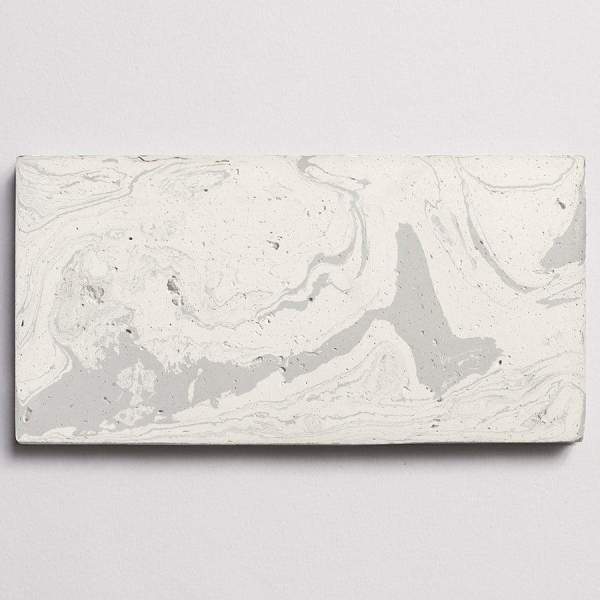
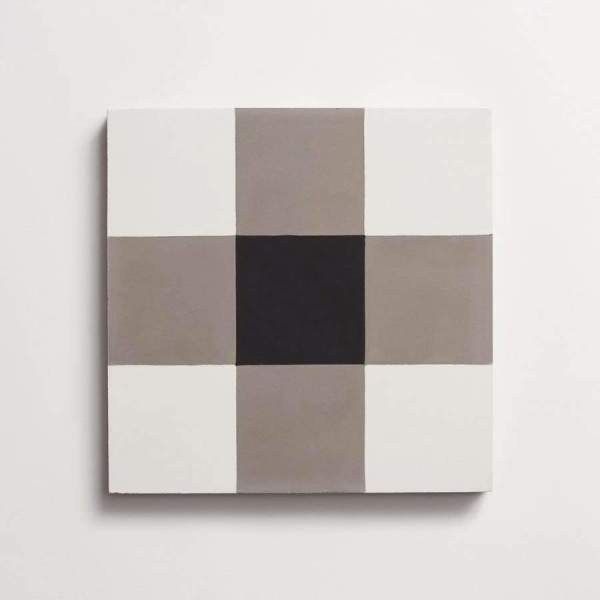
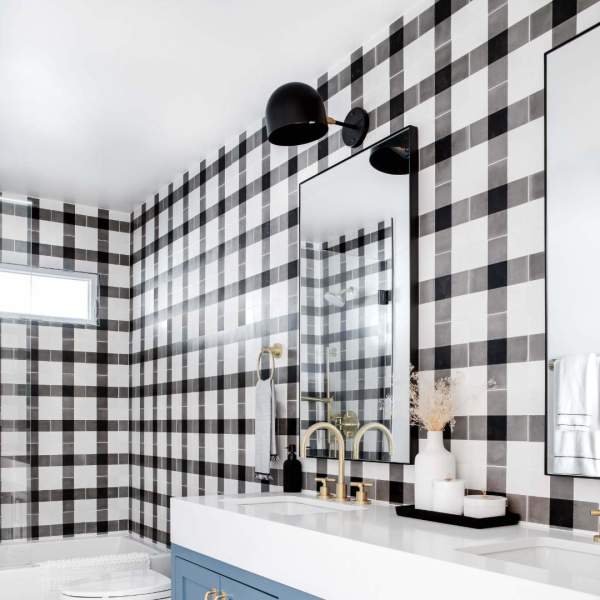
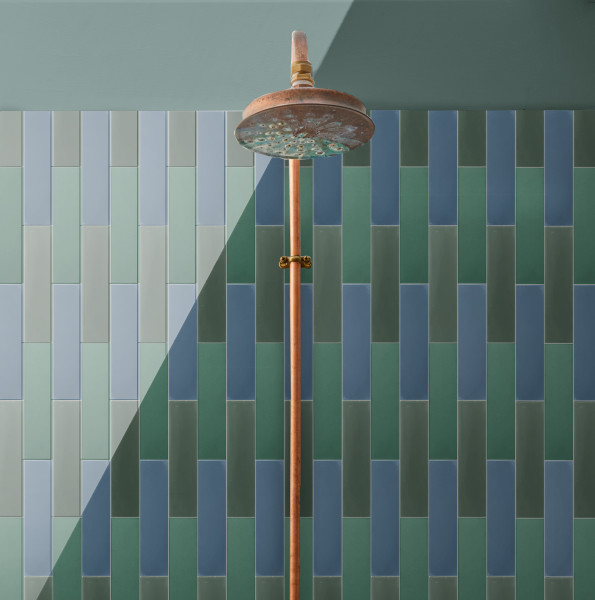
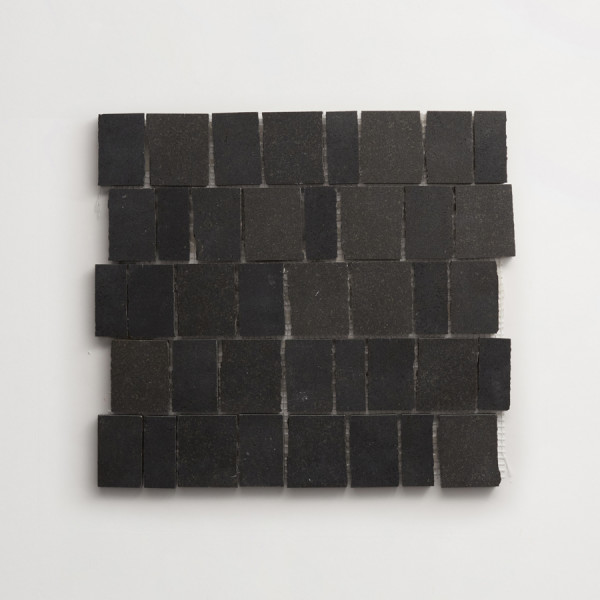
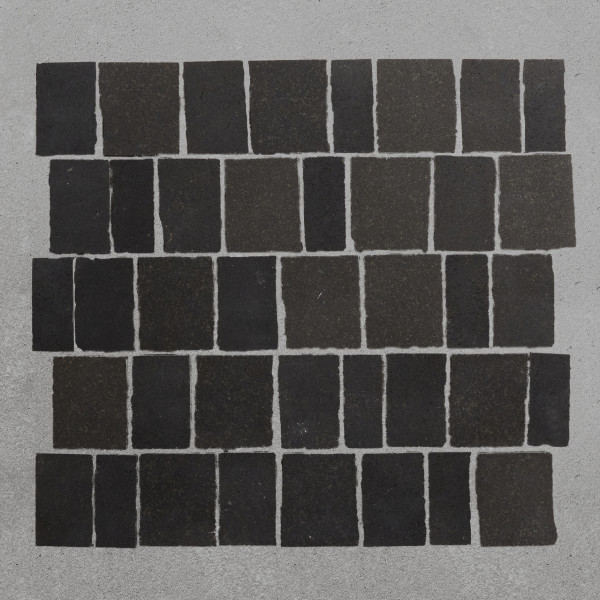
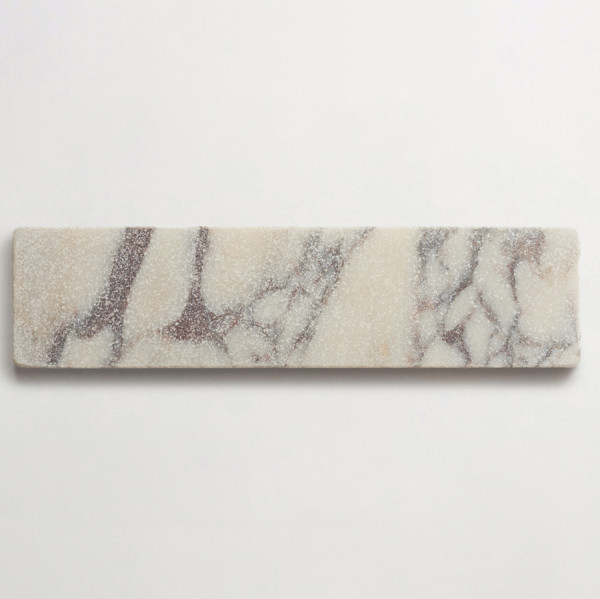
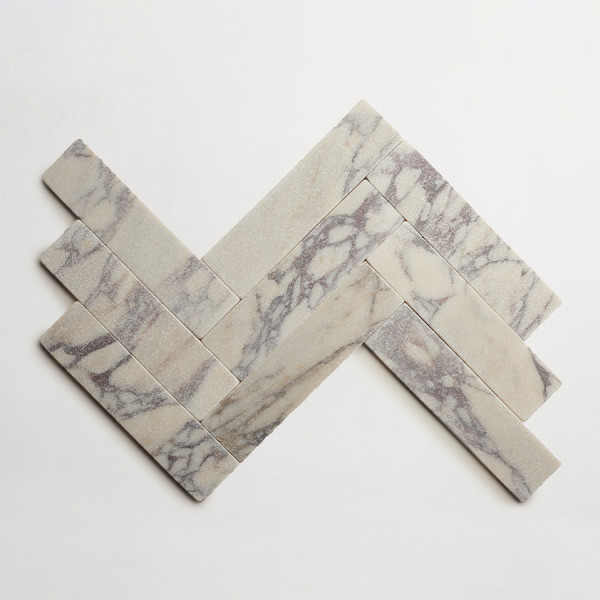
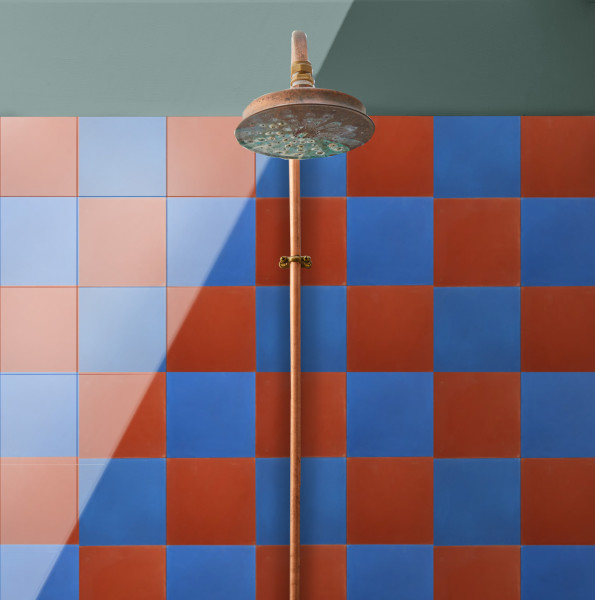
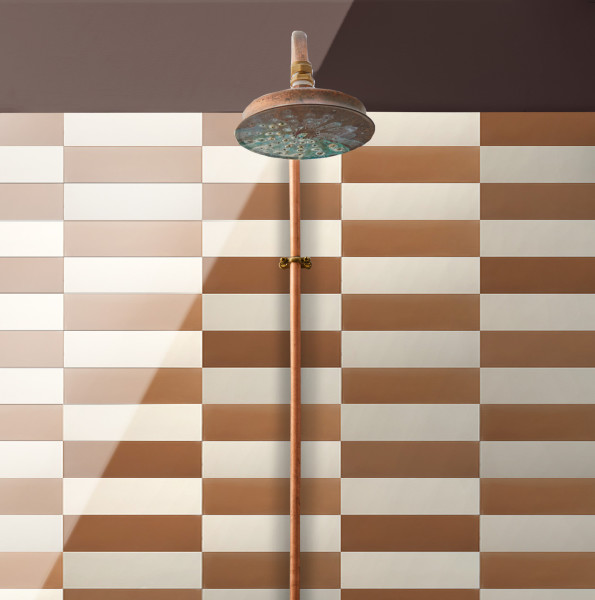
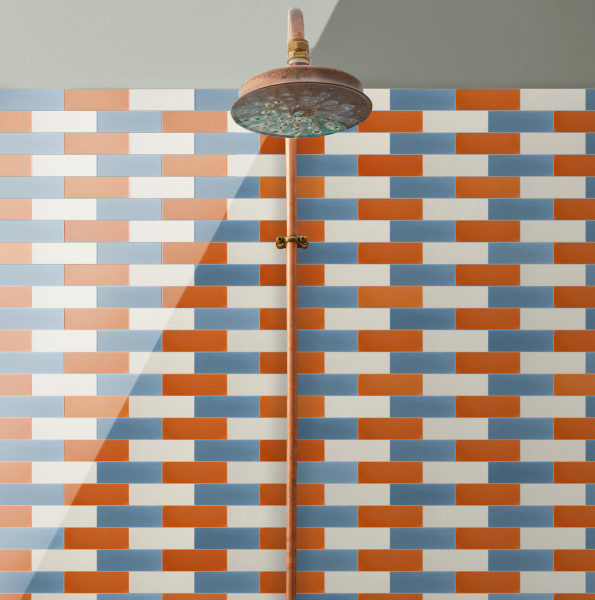
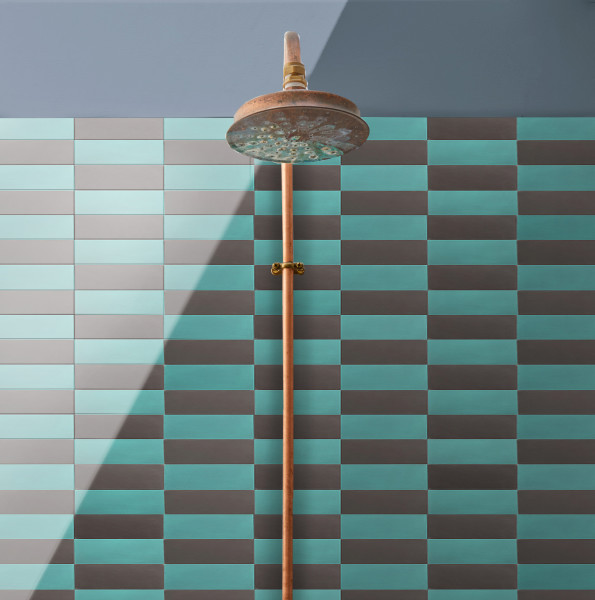
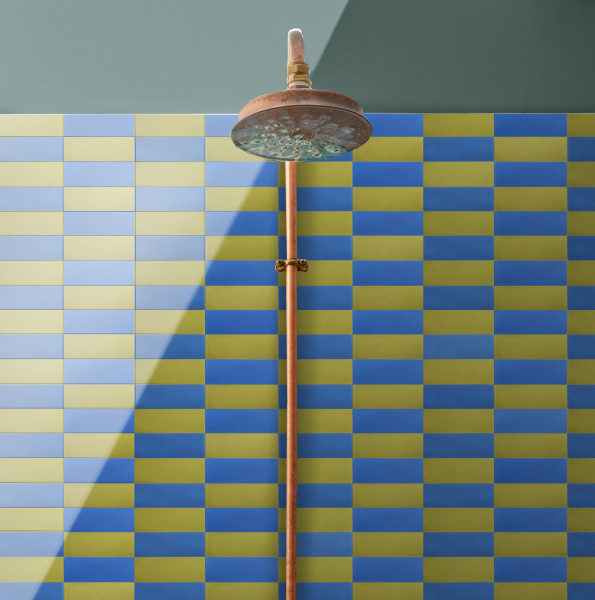
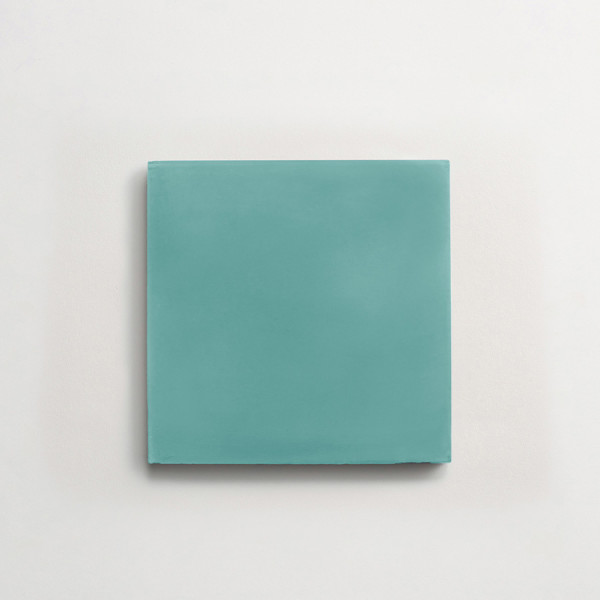
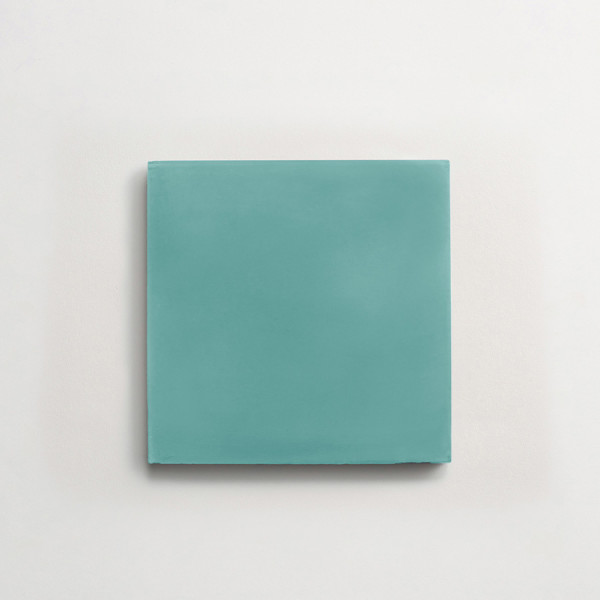
there is a world beyond the dreaded shower pan. just because you are standing on it doesn't mean it needs to be bland, boring or basic. you can certainly align this space with other tile, such as the shower wall tile (or, perhaps use a different shape of the tile for a slight contrast) or go for broke and do something bold. don’t let this design opportunity go down the drain.
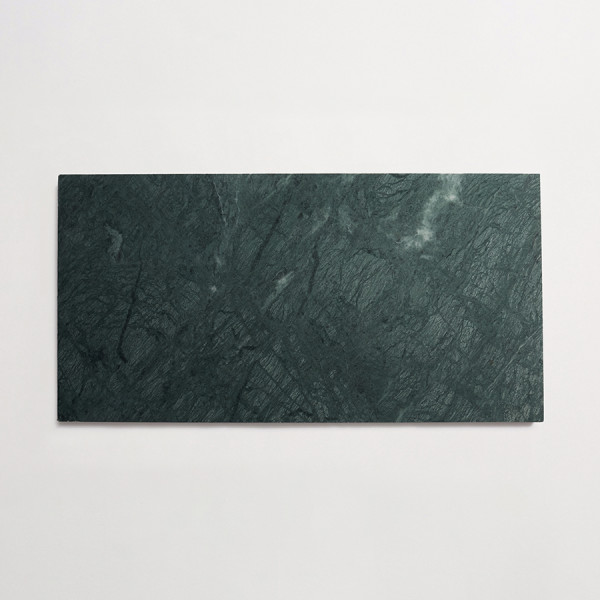
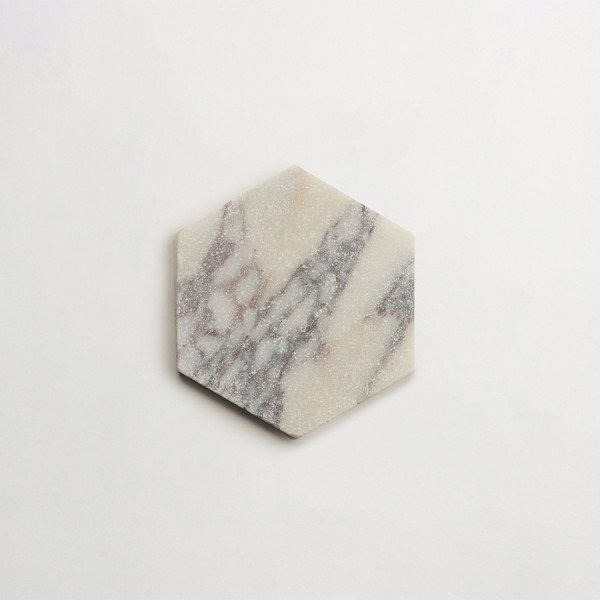
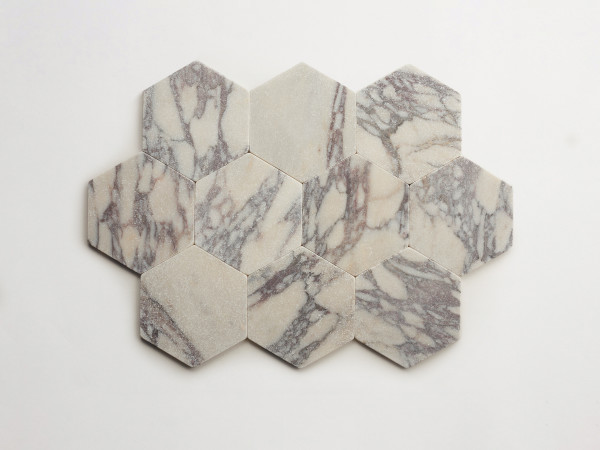
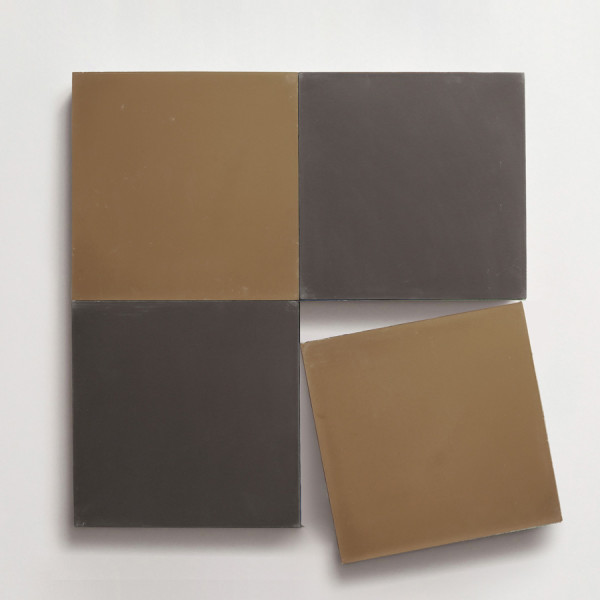
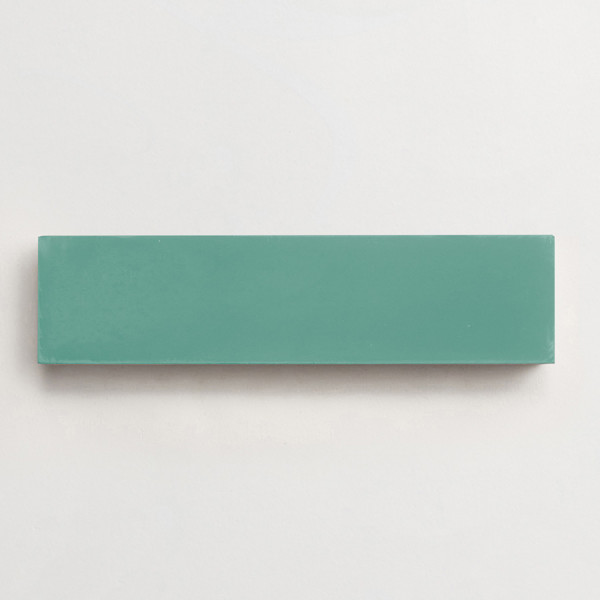
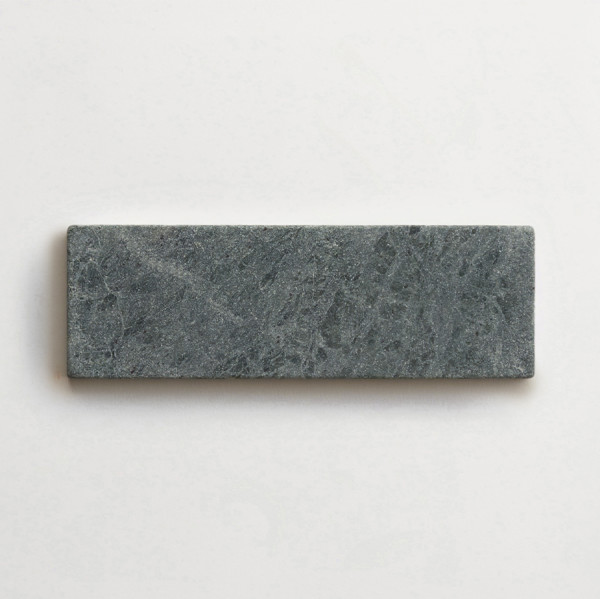
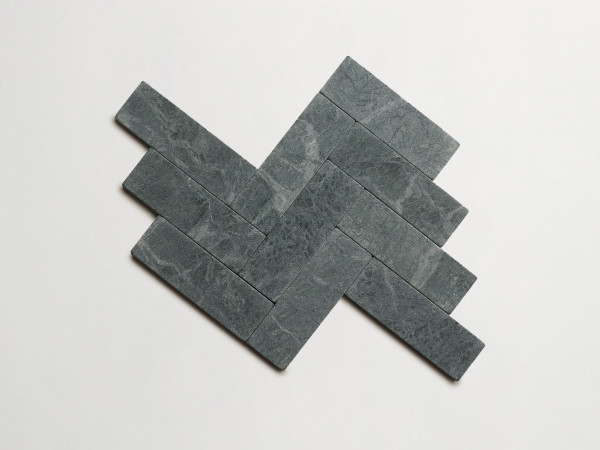
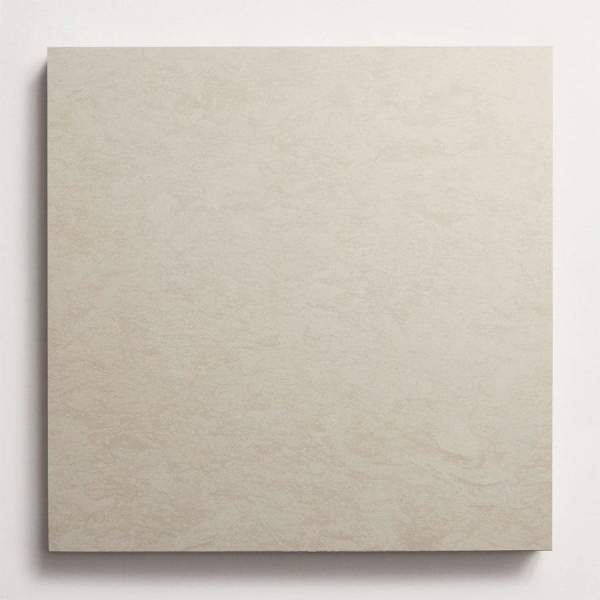
the best shower floor tile combines beauty, durability, and confident footing. smaller-format bathroom tile is often preferred because the additional grout joints provide extra traction and make it easier to follow the shower's slope for proper drainage. handcrafted ceramic, porcelain, natural stone, and cement tile can all create a waterproof shower floor when installed and maintained correctly.
it depends on your priorities. a prefabricated shower pan offers a simple installation, while shower floor tile provides far greater flexibility in size, layout, color, and texture. a professionally installed tiled shower floor also creates a more custom, architectural look that integrates seamlessly with the surrounding bathroom tile.
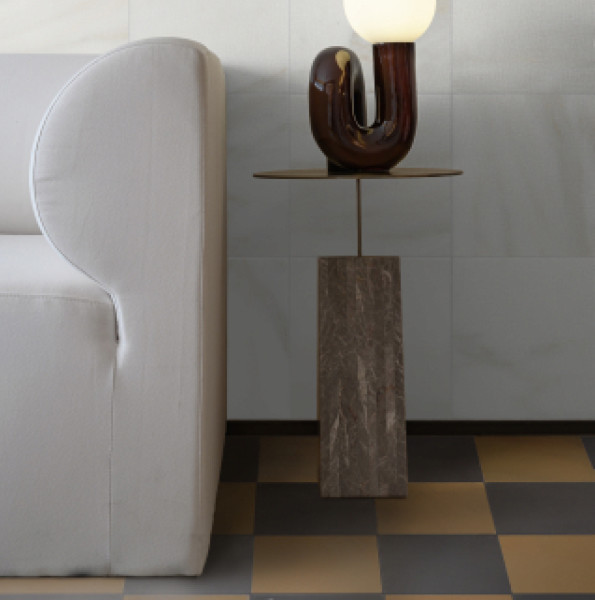
today's shower floor tile trends emphasize texture, craftsmanship, and timeless materials over short-lived styles. mosaic formats, natural stone, handcrafted ceramic, and tiles with subtle variation continue to be popular because they add depth while supporting a durable surface. many homeowners are also choosing coordinated bathroom tile on both the floor and walls to create a calm, cohesive space.
yes. shower floor tile is specifically designed for wet environments when paired with the proper installation system. a correctly built shower assembly includes a waterproof membrane beneath the tile to protect the structure while allowing the finished shower floor to perform beautifully for years.
because the shower floor is regularly exposed to water, slip-resistant surfaces play an important role in everyday safety. traction comes from several factors, including surface texture, finish, tile size, and grout joint spacing. smaller-format tiles with textured finishes often provide additional grip because the grout joints create more contact points underfoot. selecting a durable, waterproof tile appropriate for wet areas also contributes to long-term performance and ease of maintenance. when evaluating shower floor tile, it's also helpful to look at the tile's dynamic coefficient of friction (dcof) rating. this industry measurement helps indicate how much traction a tile provides under wet conditions, making it a useful reference when selecting tile for a shower floor.
many of clé's collections include slip-resistant options suitable for the shower floor, including mosaics, textured ceramics, and select natural stone. because slip performance varies by material and finish, we recommend reviewing the specifications for each product and discussing your project with your installer to choose the most appropriate tile for your application.
the answer depends on the material. many ceramic and porcelain tiles do not require sealing, while natural stone, cement, and other porous materials typically benefit from a penetrating sealer to help maintain their appearance. sealing does not make the tile itself waterproof, but it can help reduce moisture absorption, simplify the ease of cleaning, and protect the finished shower floor over time.