
minimalist bathroom ideas with warmth, texture, and tile
by clé tile | published: Nov 19, 2026

minimalism is not about having less for its own sake. it's about creating a sense of calm through considered choices, where every material, surface, and detail contributes to the atmosphere of the room. in a minimalist bathroom, tile does more than provide a quiet backdrop: its texture, finish, and natural variation give the space character without adding visual clutter.
the most compelling minimalist bathroom ideas begin with material. from a restrained palette and carefully chosen tile to grout, finish, and layout, each decision shapes whether the room feels warm and inviting or stark and clinical. the supporting details matter, too, bringing balance and function to a space where every element has a role.
the quiet room at a glance
- minimalism is about intention, not absence: a few well-chosen materials create a bathroom that feels calm, cohesive, and complete.
- warmth comes from material: natural variation, tactile surfaces, and a restrained palette of warm neutrals, earth tones, and stone keep minimalist bathroom ideas from feeling clinical.
- tile carries the design: zellige, ceramic, stone, and cement each bring a different kind of depth without relying on elaborate patterns.
- grout and scale shape the surface: tonal joints and considered tile proportions create visual continuity, while handmade irregularities add quiet texture.
- finish changes the atmosphere: gloss reflects light, satin softens it, and matte surfaces bring a grounded quality. choose each finish for its intended application.
- small rooms benefit from restraint: a consistent palette, thoughtful lighting, and fewer material transitions help compact bathrooms feel open and considered.
- simplicity still requires care: handcrafted and natural materials may call for experienced installation, sealing, product-specific cleaners, and ongoing maintenance.


minimalist bathroom design begins with material and light
when a bathroom has few elements, the surfaces have nowhere to hide. tile, stone, wood, and plaster become the defining features of the room, shaping its atmosphere through color, texture, and the way they respond to light. restraint can make those qualities more noticeable, but when it removes too much variation, the result can feel clinical rather than calm. warmth comes from giving simple materials enough character to hold the eye.
a limited material palette helps create that balance. begin with one dominant surface, such as a field of handcrafted tile or a quiet stone, then introduce one or two supporting materials that add contrast without competing for attention. a consistent palette of warm whites, soft earth tones, muted greens, or natural stone shades can feel more inviting than stark white alone. subtle shifts in tone, a tactile matte surface, or the irregularity of a handmade glaze bring depth without making the room feel busy.
light completes the composition. natural light reveals changes in texture and color throughout the day, while warm, layered artificial lighting keeps quieter surfaces from feeling flat. the aim isn't to make every element disappear, but to choose a few materials that work together so the room feels considered, grounded, and quietly welcoming.
simple bathroom tile ideas that feel considered
simple bathroom tile ideas don't have to mean plain or predictable. in a minimalist room, simplicity comes from choosing tile for its tone, finish, and material character rather than relying on an elaborate pattern. a quiet surface can still have depth: a subtle glaze variation, a soft mineral quality, or the gentle texture of a handmade edge.
the key is to let the material bring interest without asking it to compete with the rest of the room. when comparing options, consider how different materials look, feel, and perform in the space. our guide to types of bathroom tile offers a closer look at the possibilities.
zellige in quiet tones
zellige brings warmth to a restrained palette through the natural variation of its handmade surface. each tile is hand-molded and hand-glazed, so subtle differences in tone, shape, and finish create movement across the wall. in soft whites, warm neutrals, and muted earth tones, that variation adds dimension without introducing a strong pattern. its mostly glossy glazes catch and reflect light, giving even a simple wall a changing, lively quality.
clé's handcrafted zellige tile is a natural choice when a minimalist bathroom needs texture and character without visual excess. the visible joints and irregularities are part of the effect: quiet details that make the surface feel authentic rather than perfectly uniform.
ceramic and stone for an even, calm field
for a more consistent surface, ceramic and stone offer a quieter counterpoint to zellige. ceramic tile can create a clean, even field of color, while natural stone brings subtle variation through its veining, mineral shifts, and inherent texture.
clé's ceramic collections include understated options such as villa classica white in gloss and matte petite squares, which bring a little scale and definition to a restrained palette without overwhelming it.
stone offers another way to keep the room grounded, especially in a honed finish that emphasizes natural character over reflection. either material can establish a calm foundation for more expressive details elsewhere in the room.
cement for a grounded matte floor
solid-color or subtly patterned cement tile offers a grounded alternative when the design calls for a matte floor. its softly varied, light-absorbing surface brings a tactile quality that balances glossy wall tile and polished fixtures, while a restrained color or pattern keeps the overall composition cohesive. cement can also introduce a subtle sense of age and material depth without overly relying on an overtly decorative pattern.
it does, however, require informed care: cement is porous and generally needs appropriate sealing, with maintenance guided by the specific tile and manufacturer's instructions. choose cleaning products suited to cement and follow the recommended resealing schedule. a quiet floor can be a defining part of minimalist bathroom design, but its long-term performance depends on choosing the right product and caring for it properly.


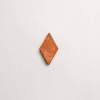
clé zellige pixies | unmounted | gloss | shattered pearl. design & photography: shialice spatial design.
grout, scale, and layout: the details that keep a room quiet
grout and tile scale have a quiet but significant influence on how a minimalist bathroom reads. a grout color close to the tile softens the joints and creates a more continuous surface, while a contrasting shade draws attention to the grid and makes the layout more pronounced. neither approach is inherently better, but tonal grout often supports a calmer effect when the goal is to let the material, rather than the pattern, take the lead.
scale matters just as much. larger-format tile creates fewer grout lines and a more uninterrupted field, while smaller formats introduce a finer rhythm and more visible joints. handcrafted tile brings another kind of variation: differences in edge, thickness, and shape are part of its character, not imperfections to conceal. with clé zellige, for example, the subtle irregularities and visible joints create a surface that feels quietly textured rather than seamless.
the goal is to work with those details, choosing a layout and grout joint that complement the tile instead of forcing it into uniformity. an experienced installer can help determine the appropriate joint width and placement for the specific material, so the finished surface feels cohesive without losing the qualities that make it distinctive.
gloss, satin, or matte: choosing a finish for a humid bathroom
finish changes how tile interacts with light and how its surface feels in the room. glossy tile reflects light, bringing brightness and movement to walls and shower surrounds, while making subtle glaze variation more visible. satin finishes offer a softer reflection, sitting between the clarity of gloss and the quiet quality of matte. matte surfaces absorb more light and create a grounded, understated effect, particularly on floors and in rooms where a softer material palette feels right. the choice is less about following a single minimalist rule than understanding how each finish contributes to the atmosphere.
in humid bathrooms, the intended application matters as much as appearance. glazed wall tile, including glossy options, can work beautifully on shower walls when the product is approved for that use and installed with appropriate waterproofing. for floors and other wet areas, don't assume that a matte or textured finish is automatically slip resistant. slip performance varies by product, so check the manufacturer's technical information and product-page guidance before choosing tile for a floor or shower surface.
natural stone and cement may also require sealing, depending on the material and finish, while glazed ceramic generally has different care needs. follow the specific product's installation and maintenance instructions, and choose a finish for both its visual character and its suitability for the space.

the minimalist shower: one surface from wall to floor
carrying one tile family through the shower creates a sense of continuity that suits a minimalist bathroom. repeating the same material across the walls and, where the product is appropriate for floor use, the shower floor, makes the space feel cohesive rather than divided into separate zones. subtle shifts in format or layout can provide definition without introducing another color or competing surface.
when choosing a material, consider its suitability for each application, including the demands of a wet floor. our guide to the best tile for shower walls can help clarify what to look for.
the supporting details should feel integrated rather than decorative. a tiled niche finished in the same material as the surrounding wall keeps storage from becoming a visual interruption, while a bench can read as a natural extension of the shower's surfaces. thresholds and transitions benefit from the same restraint, with carefully planned edges and minimal changes in material. these details still require thoughtful waterproofing, slope, and installation, but when they're resolved as part of the overall tile plan, the shower feels calm and unified.
minimal bathroom ideas for a small space
a compact bathroom benefits from the same principles that make minimalism work in a larger room: a considered palette, surfaces that bring depth without visual clutter, and enough light to let the materials show. carrying one tile or color family across multiple surfaces can help the room feel more continuous, while reflective finishes on walls can make the most of available natural and artificial light. soft whites, warm neutrals, and pale stone tones keep the palette open without making it feel stark.
restraint also means being selective about where to introduce contrast. too many changes in tile, grout, or material can break a small room into separate visual zones, while a consistent surface helps the eye move through the space. a single handmade tile with subtle variation can provide plenty of character without requiring a busy pattern or a collection of competing finishes. thoughtful lighting, well-integrated storage, and a few warm material accents complete the room. the goal isn't to make every small bathroom look larger, but to give its surfaces and proportions a sense of ease.
the supporting cast: fixtures, light, and storage
in a minimalist bathroom, fixtures, lighting, and storage should support the material palette rather than compete with it. simple silhouettes in warm metal, softened chrome, or natural finishes bring function without adding visual noise. integrated storage keeps everyday essentials out of sight, allowing tile and other surfaces to remain the focus. layered lighting, from practical vanity illumination to softer ambient sources, reveals the texture and tone of those materials throughout the day. when these details are chosen in conversation with the tile, the room feels cohesive without feeling overly designed.


what a minimalist bathroom asks of you
when a bathroom relies on a few carefully chosen materials, their installation and upkeep matter. handcrafted tile brings natural variation in shape, thickness, and glaze, so it takes an experienced installer to plan the layout, establish appropriate grout joints, and work with those irregularities rather than force a perfectly uniform result.
natural stone, cement, and some unglazed materials may also require sealing and periodic maintenance, depending on the product and its intended application. follow the manufacturer's installation and care instructions, including guidance on suitable cleaners and resealing.
everyday care is part of the material choice, too. glossy surfaces may show water spots and residue, while textured or porous materials can require more attentive cleaning. good ventilation and regular maintenance help keep bathroom surfaces in good condition, but no single care routine applies to every tile. before choosing, understand what the material asks of you over time. a minimalist bathroom can feel effortless, but that simplicity comes from making informed decisions about materials that are meant to be lived with.

a bathroom that stays quiet for decades
the most enduring minimalist bathroom ideas aren't defined by a particular shade of white, a perfectly seamless surface, or the absence of decoration. they're built around materials with lasting character, chosen for how they look, feel, and age. there's a natural connection to wabi-sabi bathroom design, where the beauty of a space comes from honest materials, subtle irregularities, and the passage of time. rather than chasing a flawless finish, both approaches make room for surfaces that feel authentic and lived in.
you don't need to use every idea at once. a softly varied zellige wall, a grounded cement floor, or a quiet stone surface may be all it takes to give a room warmth and depth. choose two or three materials that complement one another, then let their natural character carry the design. the result is a bathroom that feels calm without feeling bare, and considered without being tied to a passing trend.
explore our collection of handcrafted tiles.