
tile that looks like wood: pros, cons & real-world comparisons
by clé tile | published: Mar 19, 2026

tile that looks like wood has become a go-to for homeowners who want the warmth of timber without the upkeep. it offers a way to bring the look of wood into spaces where real wood might struggle — kitchens, bathrooms, and entryways, for example.
still, while the appeal is clear, it’s worth taking a closer look at the pros and cons of wood-look options before committing. we believe in a balanced perspective: honoring the beauty of natural wood while also encouraging materials that celebrate what they are, not just what they resemble.
what is wood-look tile?
wood-look tile is typically porcelain or ceramic tile that has a printed or textured surface to mimic wood grain. most often, it comes in elongated formats known as wood-look planks, usually starting around 6x36 inches or larger. advances in digital printing have made wood-look tiles and planks look significantly more realistic, with more convincing variation and texture than earlier versions.
that said, there’s a difference between imitation and authenticity. if you were to ask us, we’d always lean toward materials like natural stone tile, terracotta tile, and zellige — surfaces that bring depth, irregularity, and a sense of history, rather than replicating another material entirely. (even if it is with tile.)


belgian reproduction 8x8 in flemish black. design: rubin studio design / photo: justin chung
pros of tile that looks like wood
whether you’re committed to porcelain wood-look planks or drawn to the quiet richness of natural stone and terracotta in wood-inspired tones, there are real advantages to consider. tile in its many forms offers durability, versatility, and ease that can make it a perfect choice for busy homes. while we encourage exploring wood-look alternatives rooted in authentic materials, understanding the benefits of this category can help you make an informed decision that balances aesthetics, performance, and longevity.
durability & water resistance
one of the biggest advantages of tile that looks like wood is its durability, especially in moisture-prone areas. unlike natural wood, tile won’t warp, swell, or crack when exposed to water. (given it is installed correctly, of course.) this makes it an excellent choice for bathrooms, kitchens, and even mudrooms.
wood-inspired tile also stands up well to heavy foot traffic, pets, and spills without showing wear as quickly. many homeowners also pair tile flooring with radiant heat systems, adding comfort underfoot. if you’re prioritizing longevity and resilience, tile is a solid choice that performs well across a wide range of environments.
lower maintenance & (perhaps) cost
tile flooring is known for being easy to care for, and wood-look tile is no exception. regular sweeping and occasional mopping are usually all it takes to keep surfaces clean. unlike real wood, there’s no need for refinishing over time (though some types of tile can be refinished as desired) which can reduce long-term upkeep costs.
while the initial tile installation can be an investment, the durability often makes it cost-effective over time. when weighing the pros and cons, this low-maintenance aspect stands out as a major benefit, especially for households seeking beautiful kitchen floor or bathroom floor ideas that have minimal ongoing maintenance demands.
versatility & style
wood-look and wood-toned tile works in nearly any room, from kitchens to bathrooms to living spaces, offering flexibility in design. it complements a variety of aesthetics, from modern to rustic, and pairs well with other materials like stone and metal. it’s also a hypoallergenic option, as it doesn’t trap dust or allergens the way some flooring can.
compatible with radiant heating, tile adds both function and comfort as well. while it nods to the appearance of wood visually, it can be used in places wood cannot, making it a versatile and practical choice for a wide range of interior applications.

clé zellige 4x4 in natural. design: jenni kayne / photo: amanda sanford + scott sanford

cons of tile that looks like wood
while there are clear benefits, it’s just as important to understand the drawbacks. tile that looks like wood isn’t a perfect substitute, and certain trade-offs come with the territory. from installation challenges to questions of authenticity, these disadvantages can influence whether it’s the right fit for your home. we always encourage thoughtful material selection — not just based on appearance, but on how a material feels, ages, and contributes to the overall experience of a space.
installation & grout
installing wood-look tile is not a diy-friendly project, especially when working with long plank formats that require precise leveling. as with any type of tile, professional installation is always necessary to avoid lippage and ensure a clean finish. grout lines, while minimal, are still present, as well, and will require maintenance over time. grout can stain or discolor, particularly in high-traffic areas like kitchen floors.
while we believe grout maintenance and other types of upkeep are worthwhile trade-offs for more artisanal tile, it’s still something to consider. additionally, tile is more permanent than wood, making removal or replacement more labor-intensive.
authenticity
even with advances in printing technology, wood-look tile can fall short in replicating the depth and tactile warmth of real wood. patterns may repeat, and the surface can feel more uniform than natural materials. this lack of variation is one of the key disadvantages when compared to genuine wood or even natural stone tile.
we often recommend wood-colored alternatives like terracotta tile or stone in warm, earthy tones. these materials offer a similar palette while bringing authenticity, movement, and character that evolves beautifully over time.
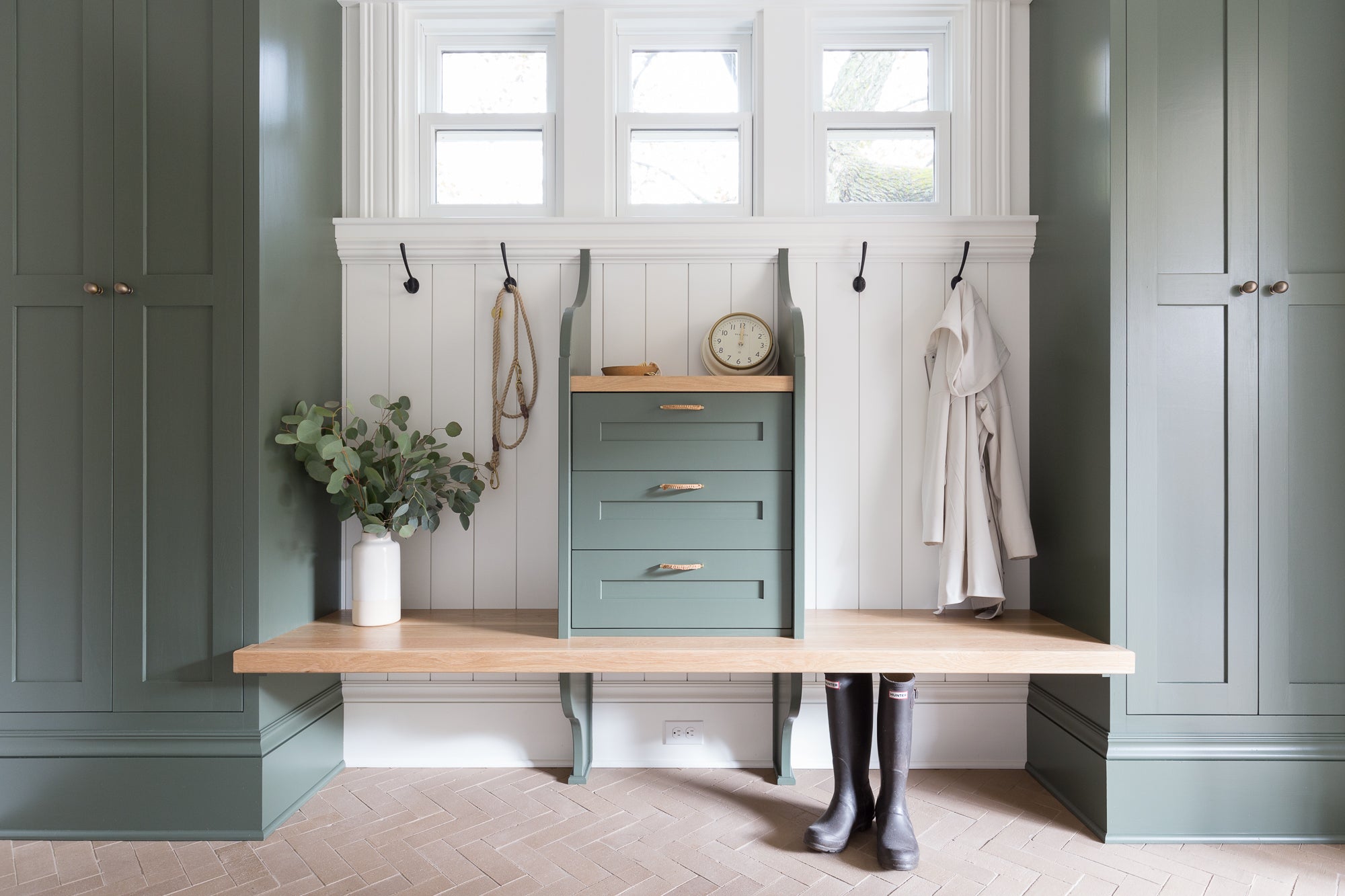
foundry flats: standard issue 2½x8 in sinter. design: elliott meyers / photo: dwelling photography
best applications for wood-look tile
tile that looks like wood (or nods to wood’s natural tones) performs best in areas where moisture, durability, and ease of maintenance are top priorities. while it may not fully replicate the experience of real wood, it excels in spaces where practicality matters most. whether you’re exploring bathroom tile trends or rethinking your kitchen floors, understanding where this material shines can help guide your decision — especially when comparing it to other types of tile or natural materials.
bathroom floors & walls
bathrooms are one of the strongest use cases for wood-look tile. the material handles humidity, splashes, and daily wear without compromising its structure. it works well for both floors and walls, offering a cohesive look across the space. as a hardworking surface, it delivers warmth visually while maintaining performance.
tile is also a practical addition to shower walls and floors, especially for those wanting a spa-like feel. pairing the tile with other handcrafted materials like zellige or stone can elevate the design even more and introduce a layered, authentic finish.
kitchens
in kitchens, durability and easy cleaning are essential. this makes tile that looks like wood a practical contender. it stands up well to spills, foot traffic, and daily messes, so it’s a solid choice for busy households. that said, the kitchen is also a space where exploring cement tile patterns or terracotta tile can bring more depth and personality. warm-toned natural stone tile or handcrafted surfaces can echo the look of wood while offering something more distinctive.
if you’re designing a kitchen floor as part of your next project, consider balancing function with materials that tell a richer, more tactile story.
is wood-look tile right for your project?
choosing tile that looks like wood ultimately comes down to balancing practicality with authenticity. in moisture-heavy spaces, it offers clear advantages — durability, water resistance, and low maintenance, for example. but it’s also worth considering how materials feel and age over time. natural options like stone, terracotta, and zellige bring a sense of craft that elevates a space beyond surface appearance.
when weighing the pros and cons, think about what matters most in your home. if you’re ready to explore beyond imitation, discover handcrafted tiles that celebrate material honesty and timeless design.


clé zellige 4x4 in natural. design: jenni kayne / photo: michael clifford
frequently asked questions about tiles that look like wood
ahead: some of the most common questions we see about wood-look tile (along with our own thoughts on the subject).
is wood-look tile good for bathrooms?
yes, wood-look tile is a popular option for bathrooms because it resists moisture more effectively than real wood. it won’t warp or swell, making it a reliable surface for floors and even walls. as part of evolving bathroom tile trends, it offers a warm aesthetic while maintaining durability.
however, it’s worth comparing wood-look tile to other shower tile options like natural stone or zellige, which can bring more texture and authenticity. if you’re weighing the pros and cons, consider both performance and how the material contributes to the overall feel of your space.
can wood-look tile go over radiant heat?
wood-look tile is usually compatible with radiant heating systems, making it a comfortable and practical flooring choice. (just be sure to check the tile’s technical specs.) unlike natural wood, which can expand or contract with temperature changes, tile remains stable under heat. this makes it a great option for kitchen or bathroom floor ideas where warmth underfoot is a priority.
whether you choose porcelain planks or explore alternatives like stone or terracotta, pairing tile with radiant heat can enhance both the comfort and functionality of your home. (say hello to eternally toasty toes.)
how do you clean grout on wood-look tile?
cleaning the grout around wood-look tile and other types of tile requires regular maintenance to keep it looking fresh. a combination of gentle scrubbing and a ph-neutral cleaner is usually effective for routine care. for deeper cleaning, a specialized grout cleaner can help lift stains.
having grout lines professionally sealed can also prevent discoloration over time. while grout maintenance is often seen as one of the drawbacks, it’s a manageable part of tile ownership — especially when balanced against the durability and longevity that tile provides.
what is the best thickness for wood-look tile?
the best thickness for wood-look tile typically ranges from 8 millimeters to 10 millimeters for most residential applications. this thickness offers a good balance between durability and ease of installation. thicker tiles may be used in high-traffic areas for added strength.
when evaluating the pros and cons of any particular tile, thickness is just one factor — substrate preparation and installation quality matter just as much. whether you’re selecting wood-look planks or considering natural stone tile, choosing a well-made product is key. always consult a tile’s material guidelines and partner with an experienced tile setter.
what alternatives are there if a wood look feels fake?
if wood-look porcelain tile doesn’t feel quite right (and we’re with you!) there are plenty of wood-look alternatives that offer warmth without imitation. terracotta tile brings rich, earthy tones and a lived-in feel, while natural stone offers variation and depth that can’t be replicated. cement tile patterns can also introduce subtle movement and color in wood-inspired palettes. these materials don’t try to mimic wood — they stand on their own, making them an excellent choice for those who value authenticity.
shop all clé