filters
1719 products
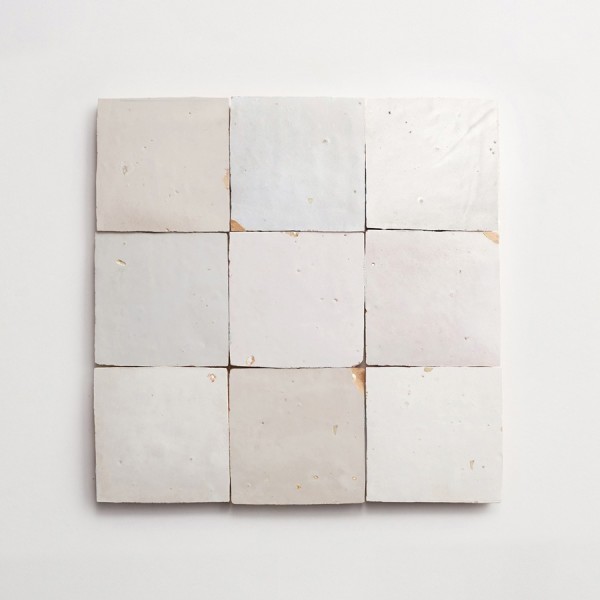
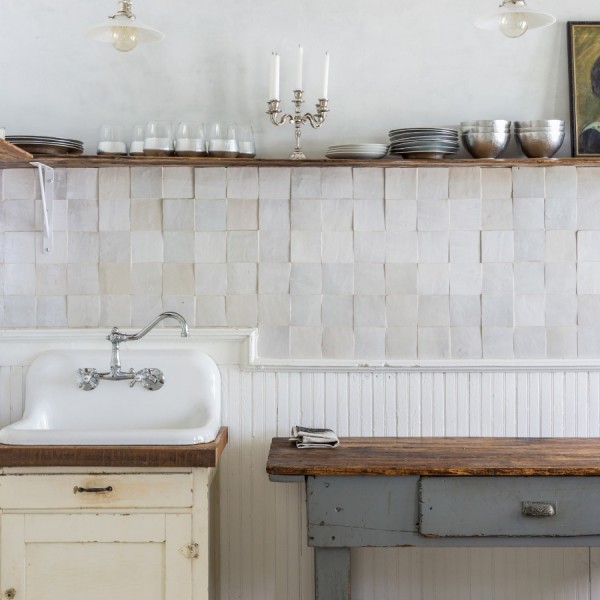
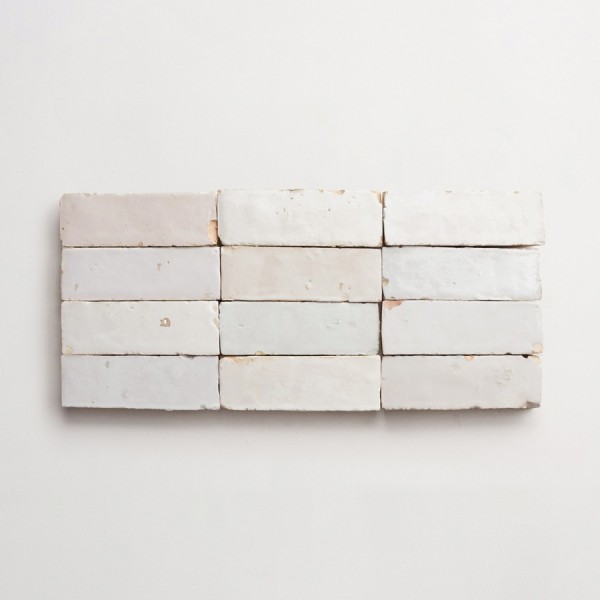
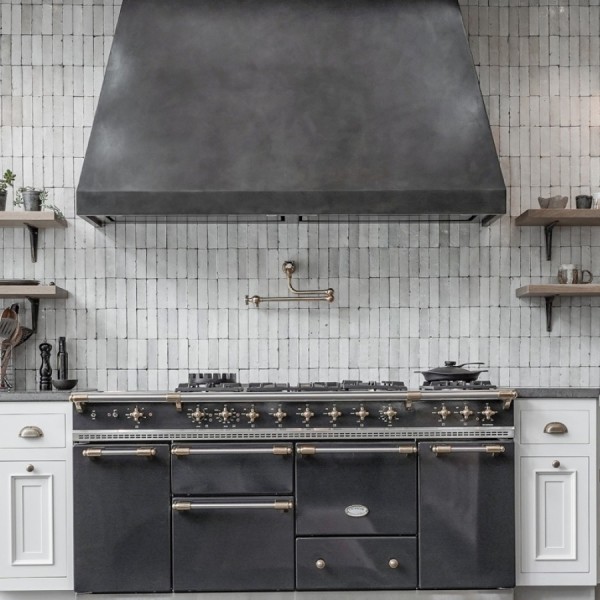
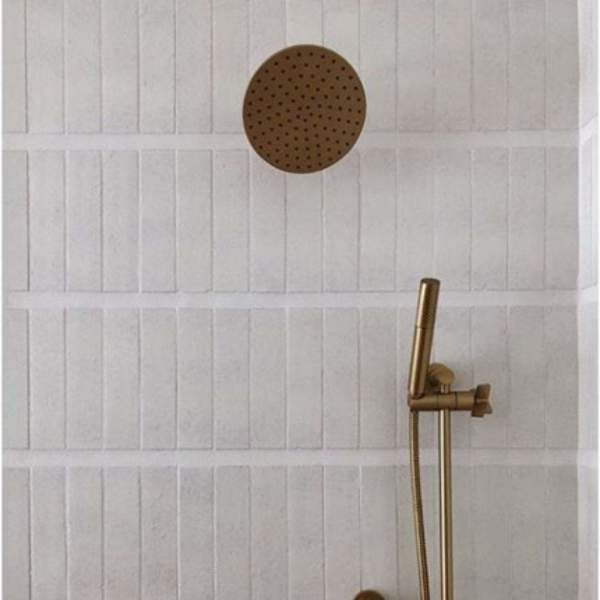
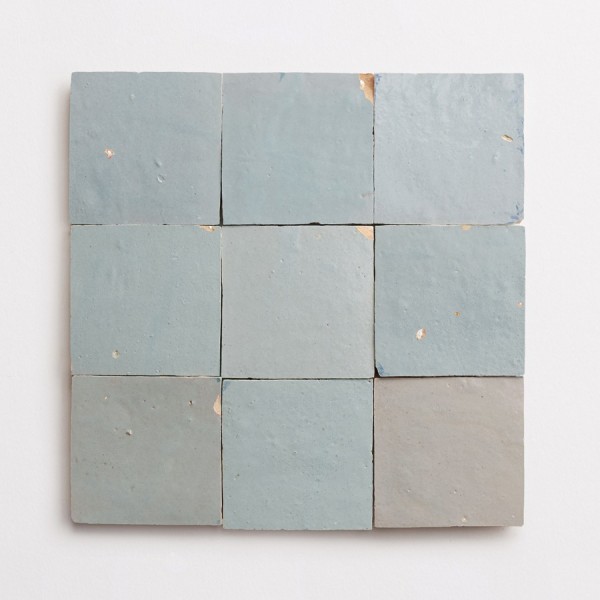
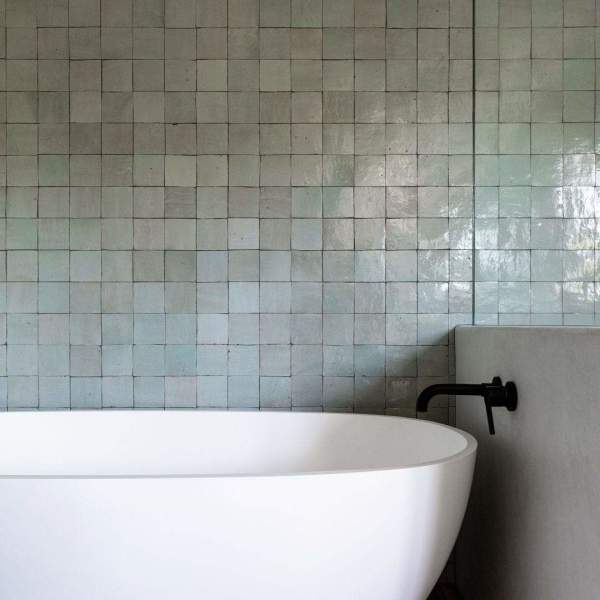
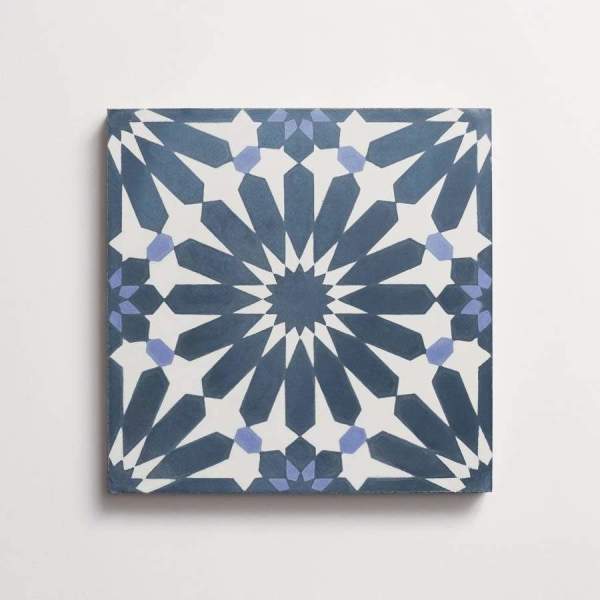
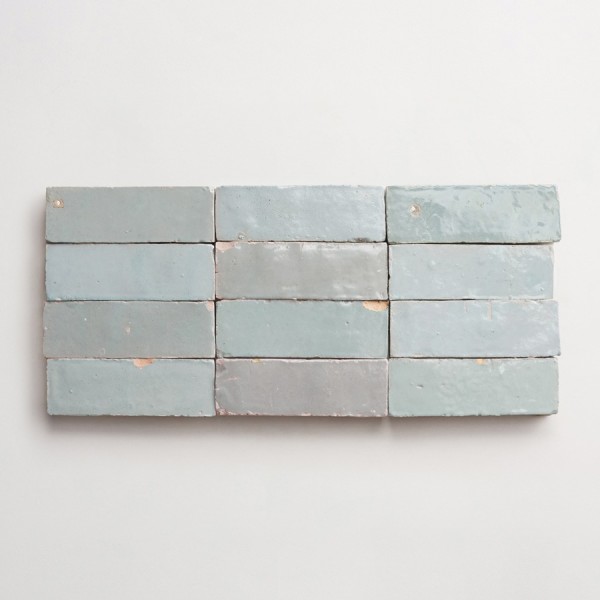
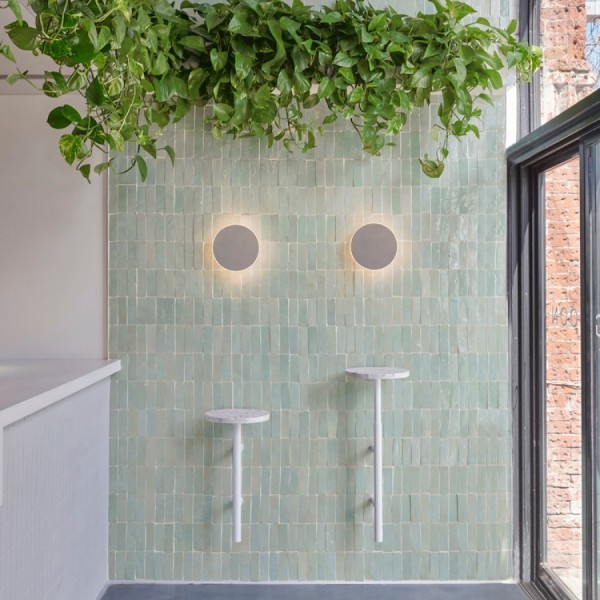
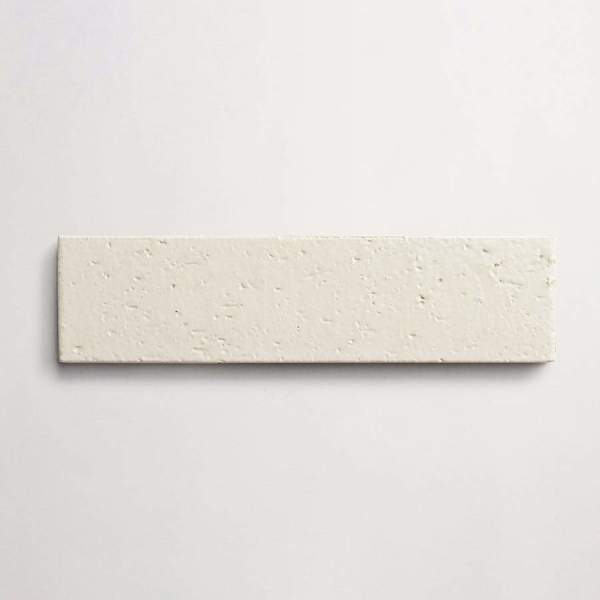
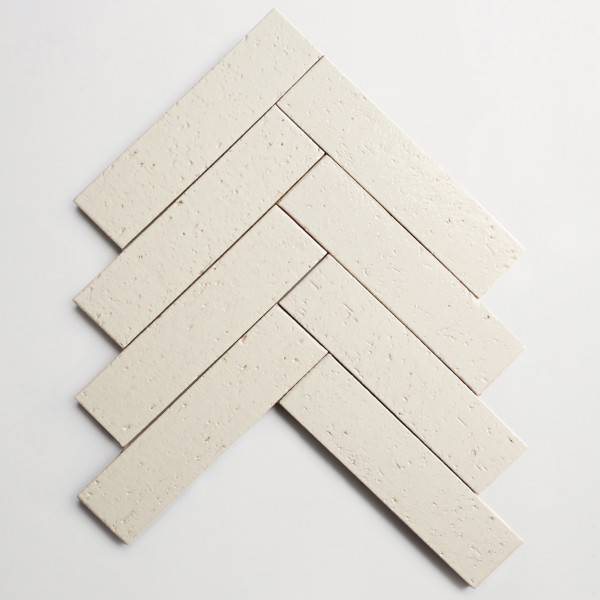
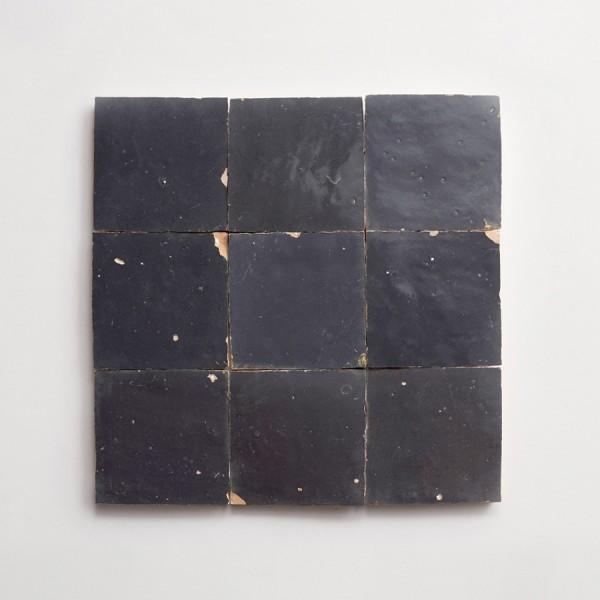
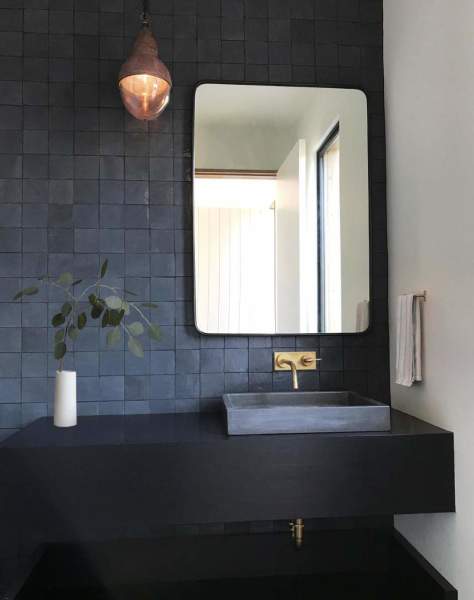
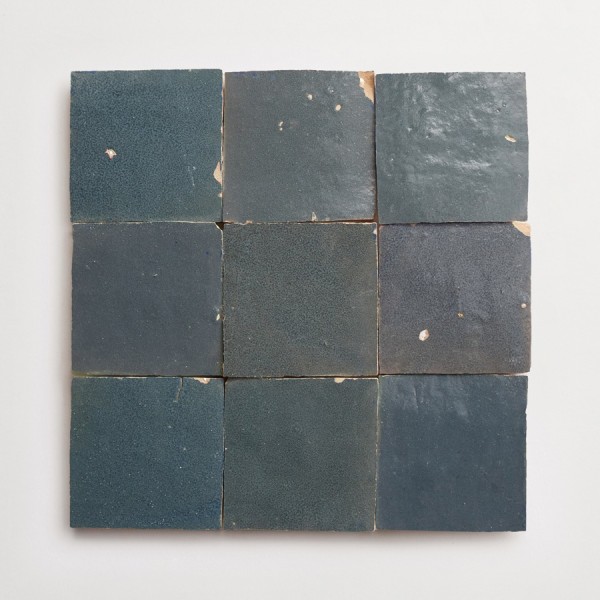
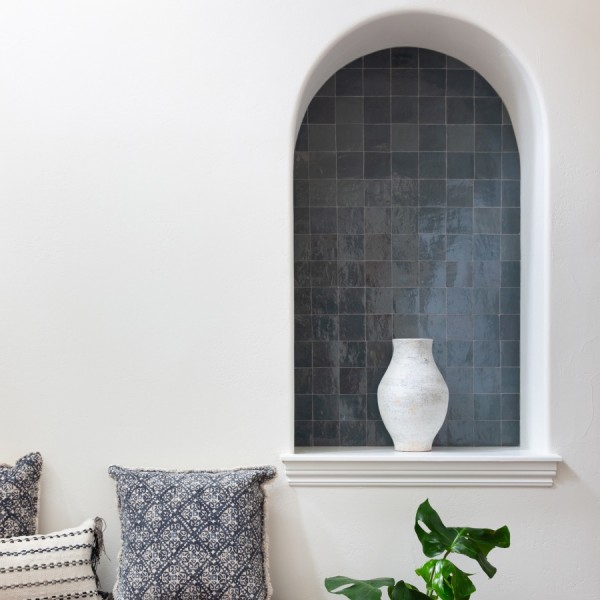
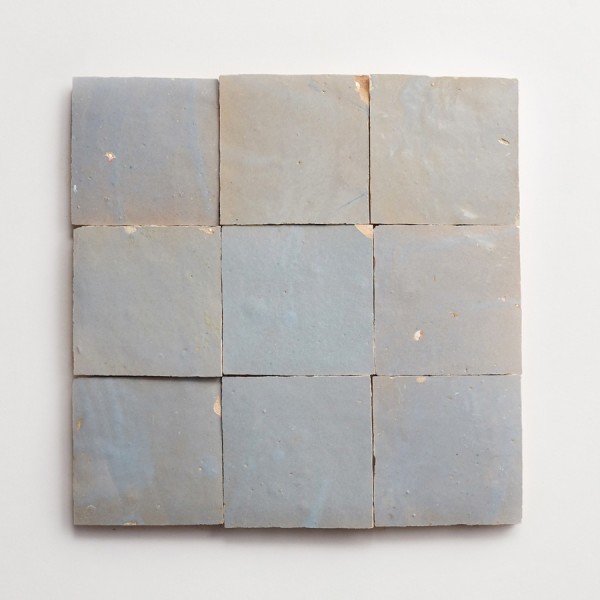
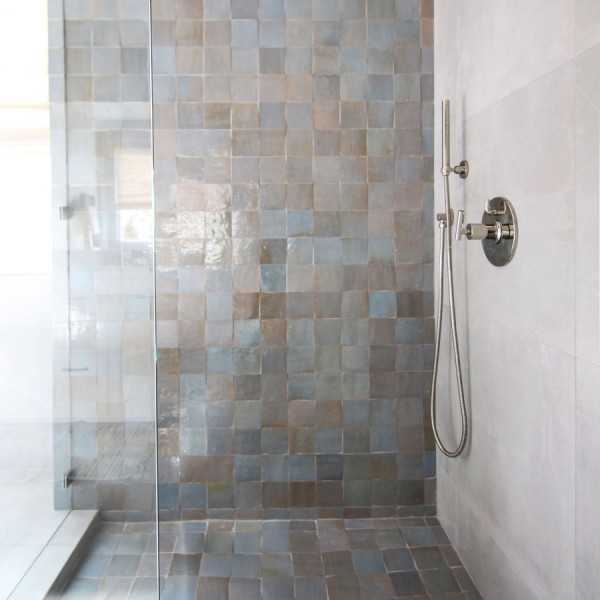
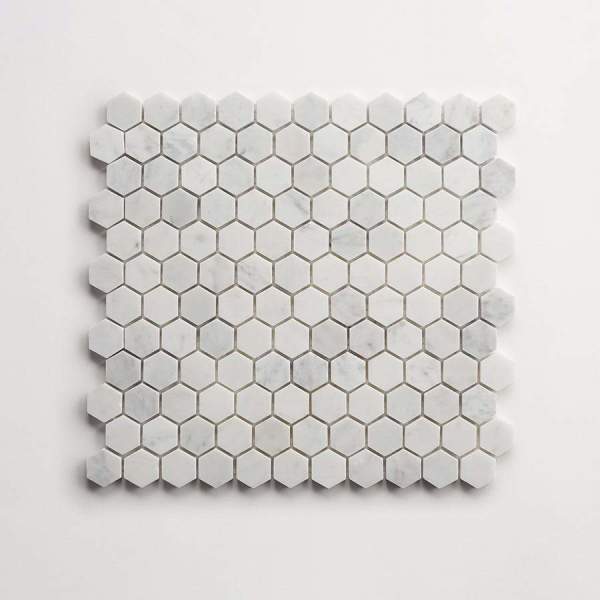
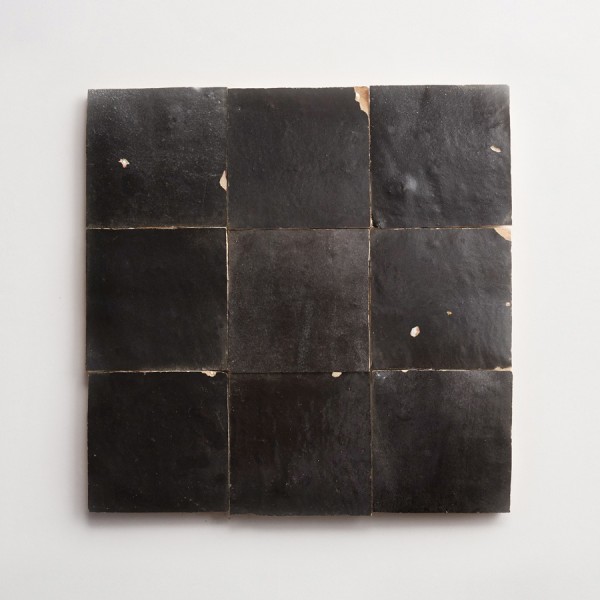
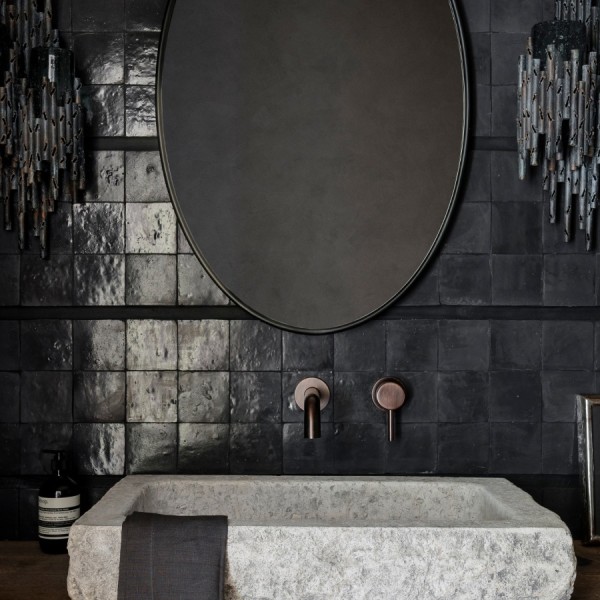
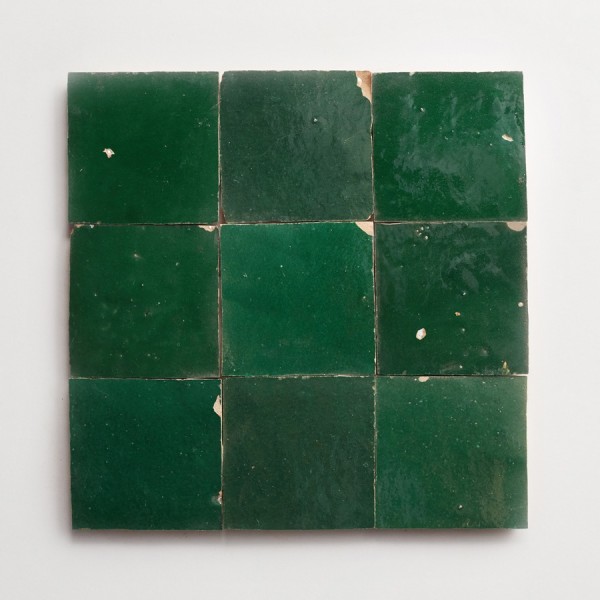
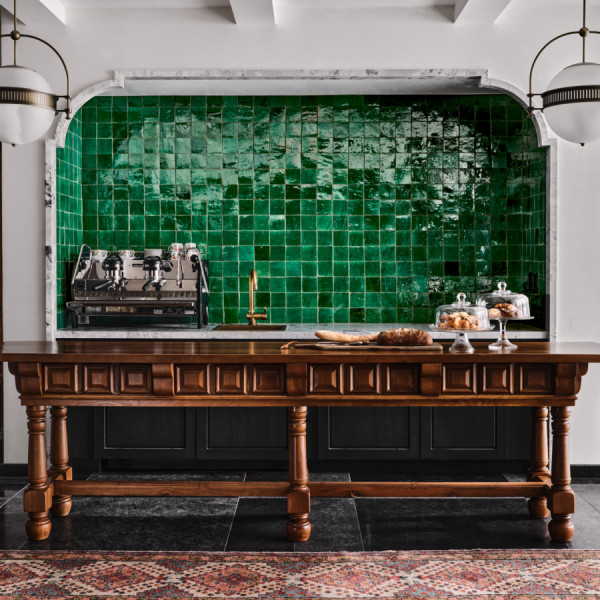
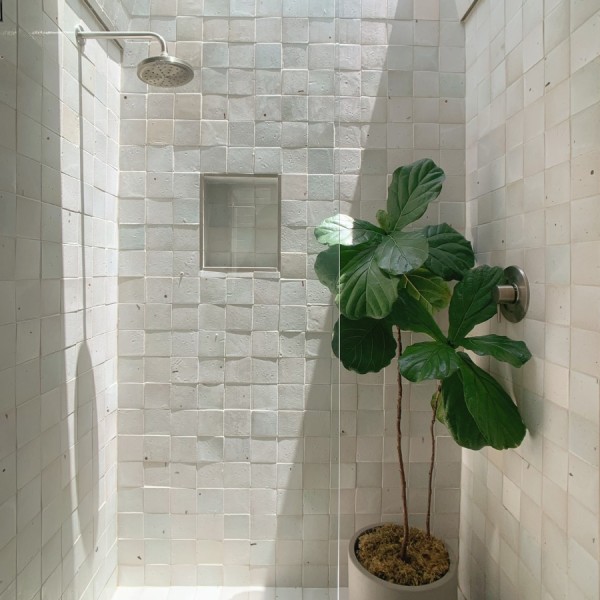
the shower wall is perhaps the most viewed tile surface in a bathroom, so make this a starting point. this expansive collection of scrub station tiles offers endless color, texture, shape, size and material options — all of which are water worthy. remember: glazed tiles do not need sealing, but their grout joints ideally will.
when choosing wall tile for your shower, several key factors come into play. first, consider the tile's water resistance. porcelain and ceramic wall tiles are popular choices due to their low porosity, making them excellent options for wet environments.
opt for wall tiles that can withstand daily use and cleaning. porcelain wall tiles are incredibly durable and easy to maintain. consider the grouting, as well–epoxy grouting resists stains and mold better than traditional cement-based options.
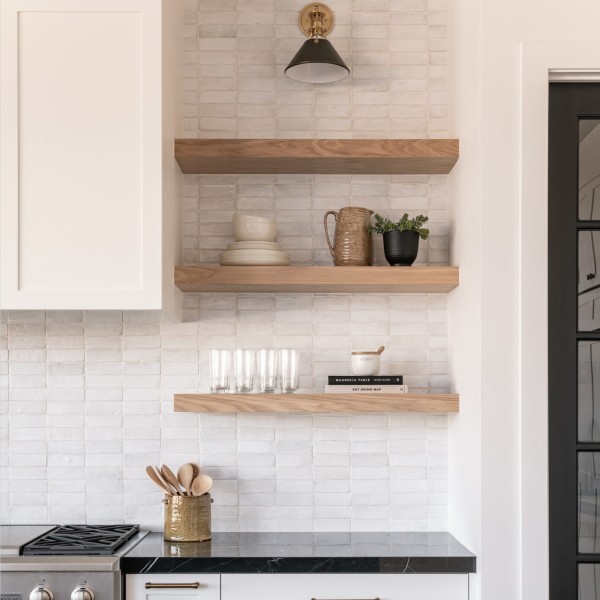
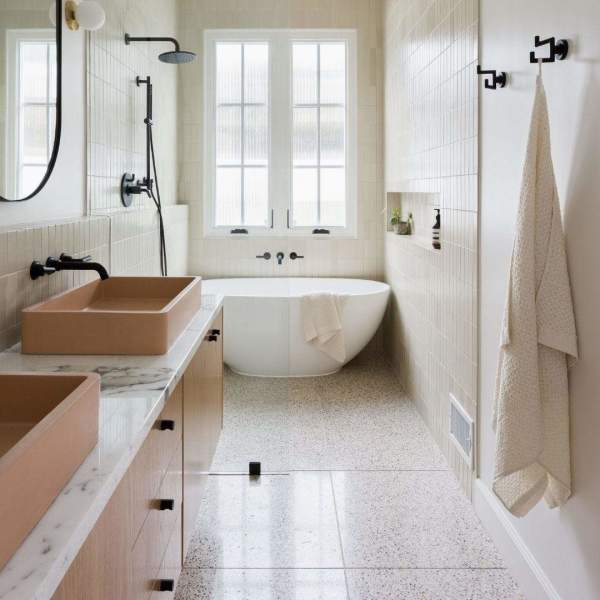
you can never go wrong with subway tiles for your shower walls. subway tiles provide a classic look that works with just about any decor. remember that darker colors may make your shower space feel smaller, while lighter hues can create an illusion of spaciousness.
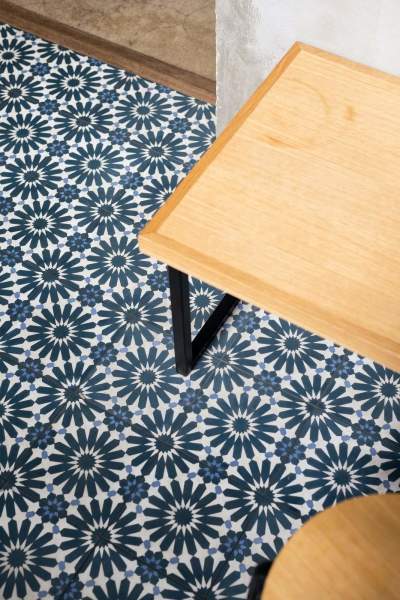
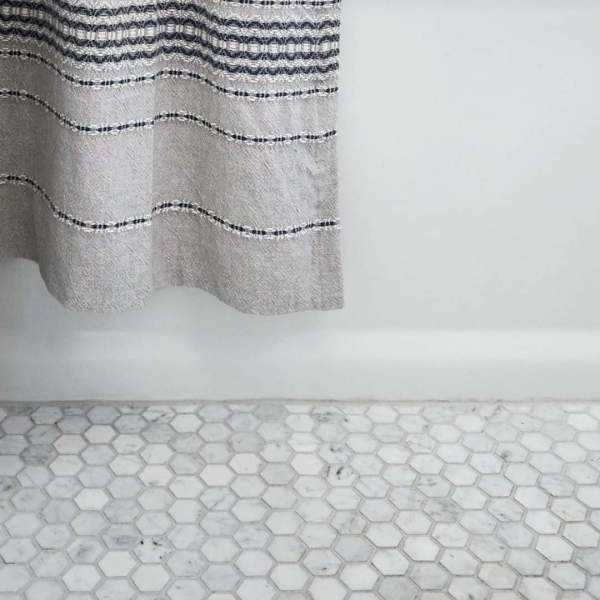
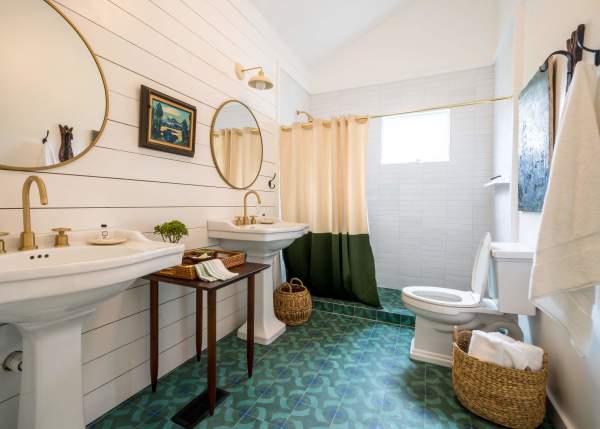
don't overlook slip resistance, especially for shower tile floors. textured shower tiles or smaller shower tiles with more grouting lines provide better traction when wet. some shower tiles are specifically designed with anti-slip properties for added safety.
ideally, you’re looking for shower tiles that balance functionality, style and safety for your bathroom tile installation.
when choosing shower wall tile, understanding the distinctions between porcelain and ceramic is crucial. both materials are popular choices for shower walls, but they have unique characteristics that set them apart.
porcelain tile is denser and less porous than ceramic, making it more water-resistant and durable. this quality makes porcelain an excellent choice for shower wall applications where moisture resistance is paramount. ceramic tile, while still a solid option, is slightly more porous and may require more frequent sealing, and it’s more prone to chipping than porcelain, but it’s less slippery when wet than porcelain is.
both porcelain and ceramic tiles offer a wide range of colors, patterns and textures. however, porcelain often provides more sophisticated designs and can mimic natural materials like stone or wood more realistically. ceramic tiles typically offer more vibrant color options.
ceramic tiles are generally easier to install and cut for custom designs, making them a popular choice for DIY projects (but we always recommend hiring a pro). porcelain, being denser, can be more challenging to work with. when it comes to grouting, both materials require similar techniques, but porcelain's lower porosity may result in easier long-term maintenance.