Properties
uv resistant *
Usage
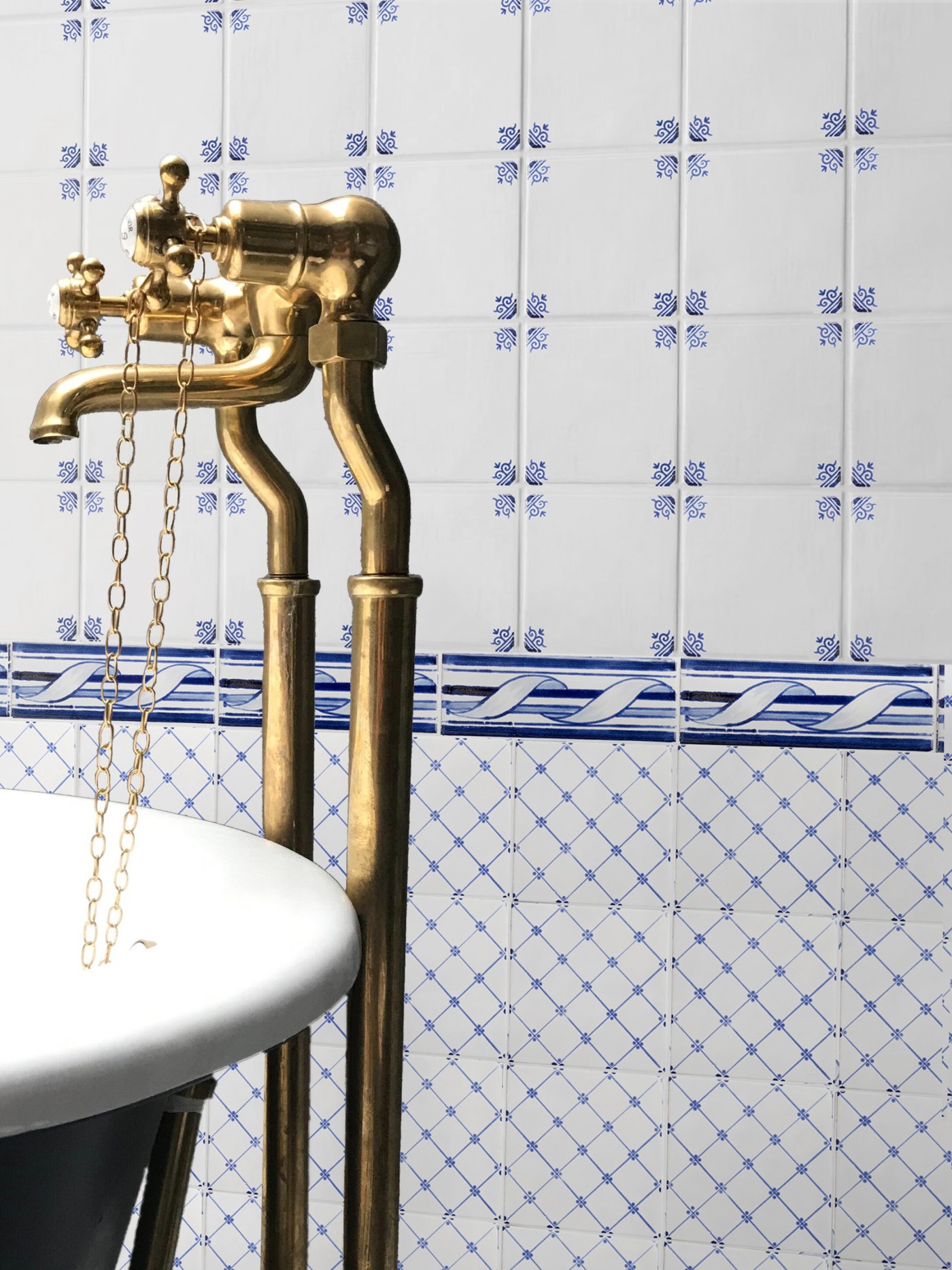
interior wall *
shower wall *
steam shower wall *
fireplace surround + hearth *
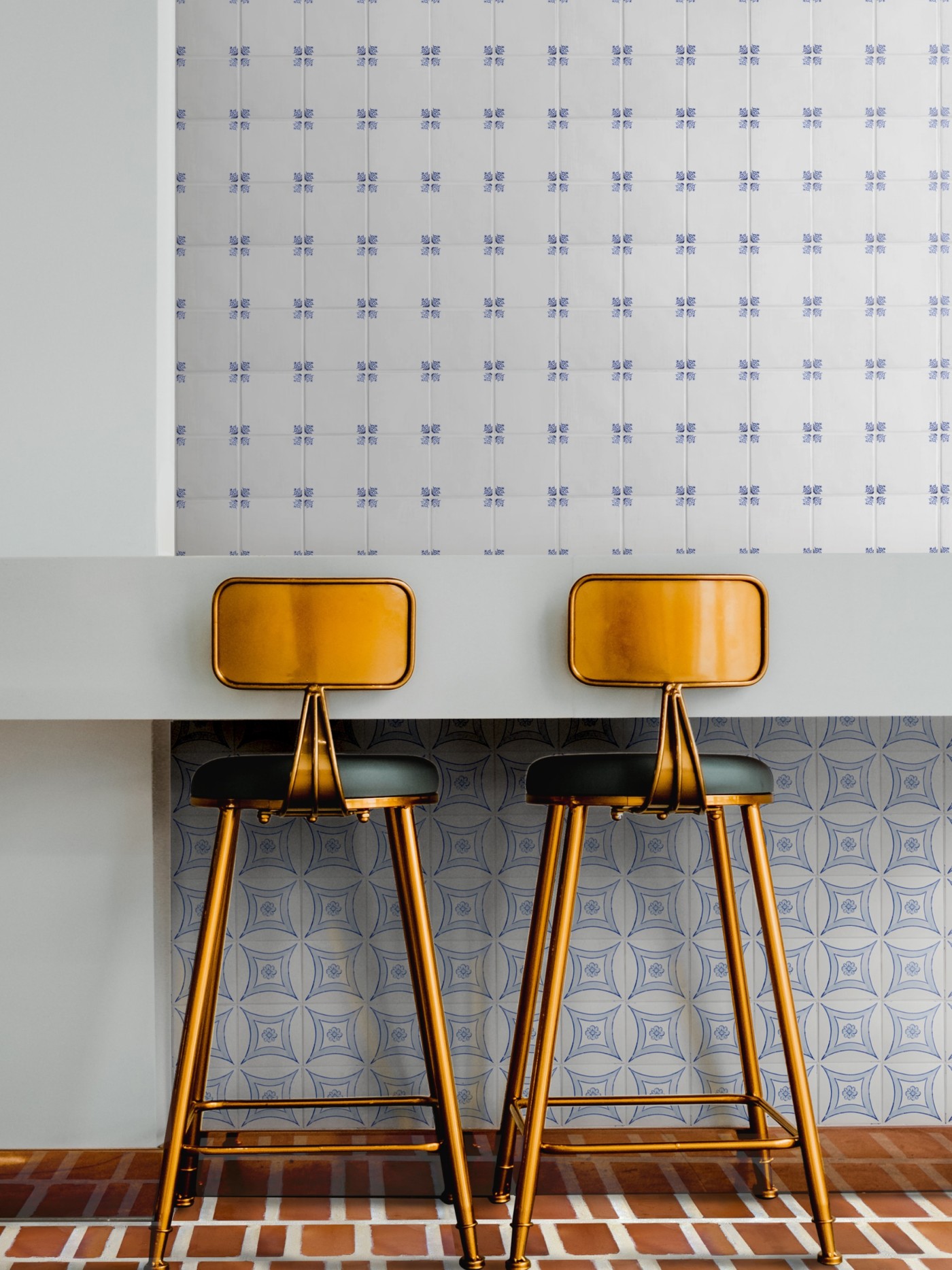
backsplash *
Overview
| description | rating |
|---|---|
| surface type | Glazed |
| finish type | Gloss |
color variation
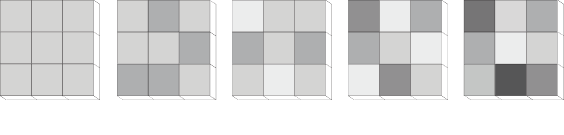
for more information, see our tile variation & imperfections guide |
level 2: slight |
texture variation
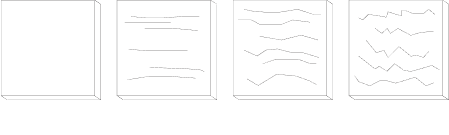
for more information, see our tile variation & imperfections guide |
level 2: slight |
size variation
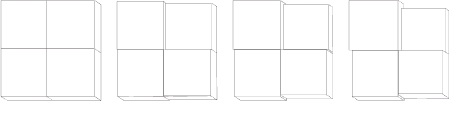
for more information, see our tile variation & imperfections guide |
level 2: medium |
cracks / crazing
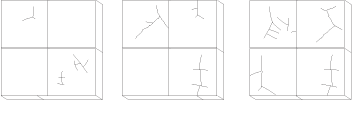
for more information, see our tile variation & imperfections guide |
level 2: prevalent |
pits / chips
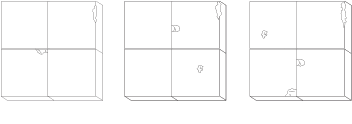
for more information, see our tile variation & imperfections guide |
level 1: will occur |
| dimensions | 4" x 4" x ⅜" |
| water absorption | avg. 17.5%; non-vitreous |
| dcof | not suitable on floors |
| Pieces per sqft | 9pcs/sqft |
| Weight per sqft | 4.05 lbs |
pieces per square foot calculated without an incorporated grout joint
Read before you buy
do i need to seal 17th century tiles?
for 17th century tiles, you must apply sealant or a grout release before grouting to minimize risk of grout haze and to allow for easy clean up.
for all other sealing and protecting, clé recommends stonetech bulletproof sealer from laticrete.
for more information about sealing please see the 17th century:maiolica de delft material guidelines.
do you offer trim for 17th century tiles?
at clé we follow the international model of no trim and highly recommend our clients to do the same. below are the trim alternatives we recommend for this collection.
- if your project needs to turn a corner either inwardly or outwardly, mitering the tiles to meet seamlessly in a corner gives it the cleanest, crafted finish.
- another way to complete your tiling is to run a bead of caulk or grout along the exposed tile edge.
- like with any of our tiles, you can also build out the sheetrock so that the surface of the finished sheetrock is flush with the surface of the tile.
for more detailed recommendations about trim, please see our trim guide.
how do i take care of my 17th century tiles?
over time the tile may develop a crackled patina. please note this is an intrinsic characteristic of our 17th century tiles.
mild, ph neutral soaps should be sufficient for most cleaning—test before general use. for all other maintenance, clé recommends laticrete cleaning products.
please see the 17th century: maiolica de delft material guidelines for more information.
what type of finish should i expect with this collection?
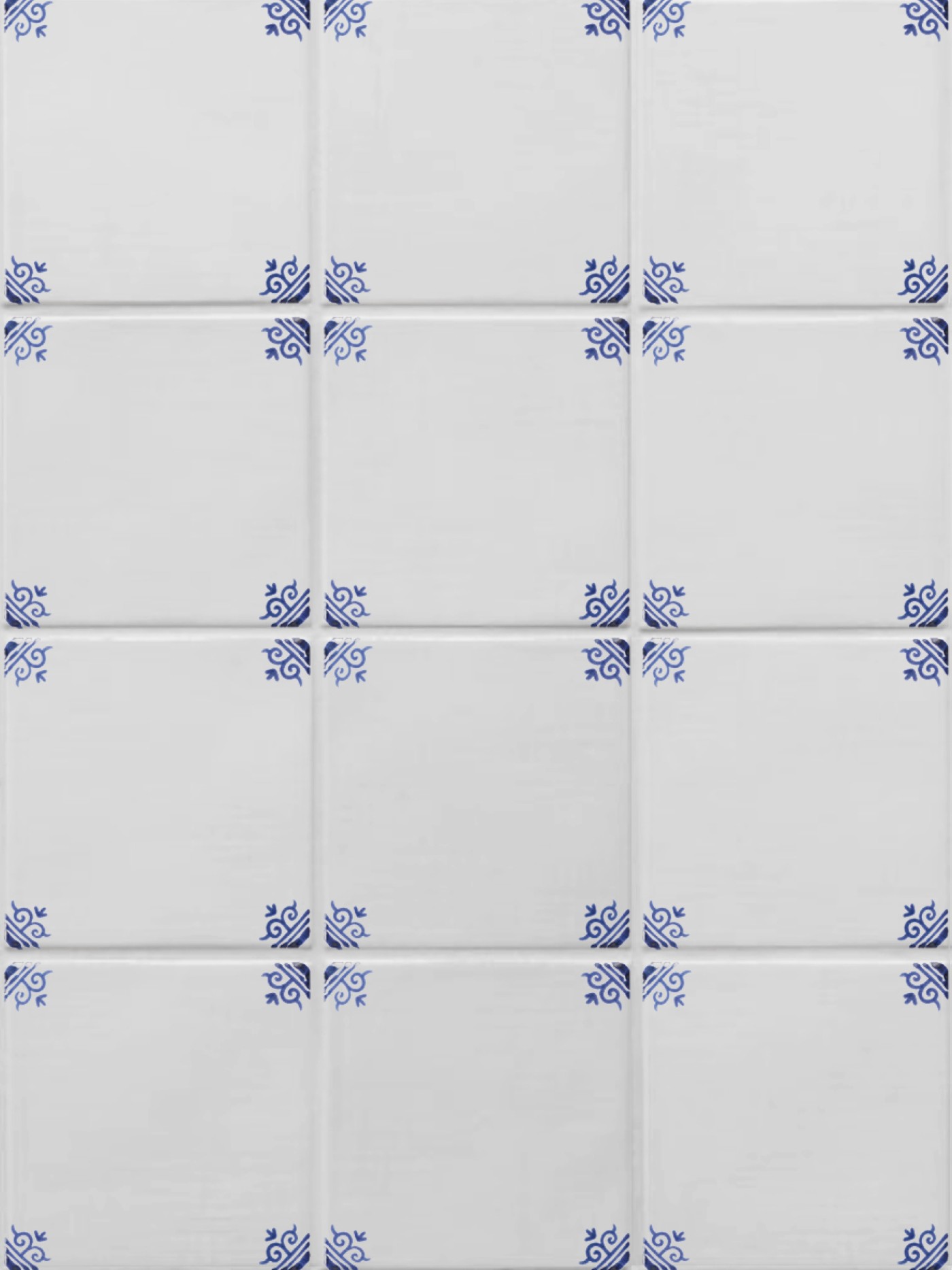
17th century tiles have a glazed glossy finish with subtle crazing and slight texture variation.
how much variation should i expect?
all 17th century tiles are made by hand, therefore crazing and noticeable variations in thickness, depth, color, shade, texture and size are to be expected. color and shade variations between tile sizes and shapes can occur as well. you might also receive some tiles with cracks, pits and chips.
due to the slight variations in color and shade of 17th century tiles, it is important to blend the tiles from all boxes once they arrive and place them in their installation area to ensure you have the layout you want before installing.
what's crazing, and should this be expected with 17th century tiles?
17th century tiles are made by hand and can show visible crazing. crazing refers to the hairline cracks which may occur in the glaze surface of tile after firing and is common in handcrafted tile.
will the hand-painted pattern be affected by sealing or grouting my tiles?
no, hand-painting the pattern is the step prior to firing the tiles, so the pattern will not be affected when you grout and/or seal your tiles.
variation and imperfection ratings:
17th century tiles are rated 'level 2 slight' for color variation, 'level 2 slight' for texture variation, 'level 2 medium' for size variation, 'level 1 light' for pits/chips and 'level 2 medium' for cracks/crazing.
see illustrations in the technical specifications section above, and read more about the ratings in our tile variation & imperfections guide.
how will my 17th century samples compare to my actual order?
as noted in the variation and add on orders sections of our faq, color and size variation between production batches (or kiln loads) of 17th century tile, in addition to variation from tile to tile, is to be expected given the handcrafted nature of the product. this makes it unlikely that your sample will be a perfect match with your actual order.
how is the 17th century collection sold?
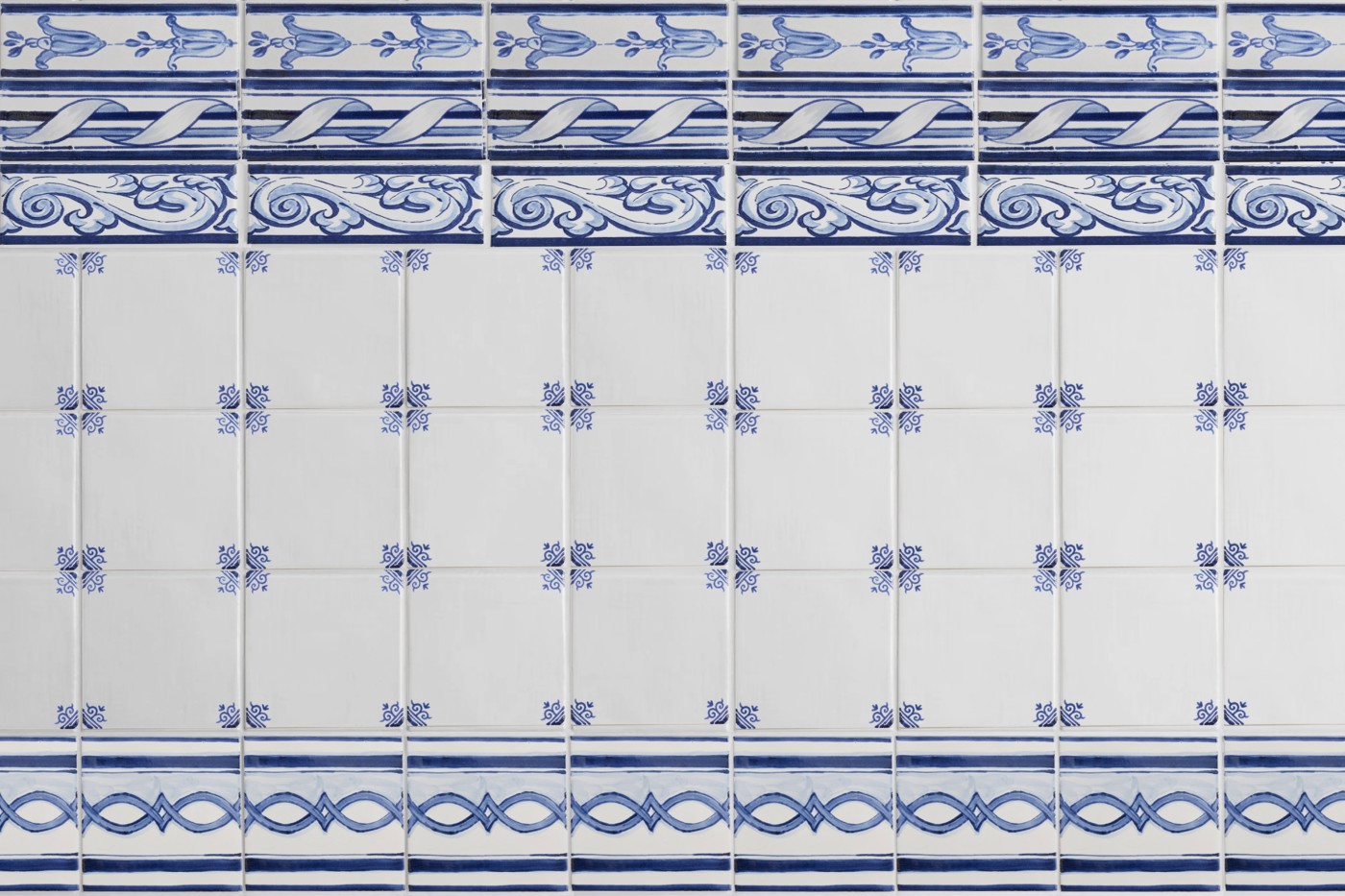
our 17th century: maiolica de delft collection is made up of four shapes: square (4"x4"x⅜"), rectangle (2"x6"x⅜"), border angle (2"x2"x⅜"), and traccia pencil tile (½"x6"x⅜").
there's such a broad range of options in laying out the tile: do you have any guidance?
if you find yourself needing a little guidance, please review our design ideas guide which lays out some of our favorite delft combinations.
why do you suggest i order at least 15% more than my measurements?
industry standard suggests adding at least 15% overage due to tile cuts, potential breakage, or future repairs.
for more information related to ordering and shipping, please be sure to visit our shipping and returns and delivery information resource pages.
Grout Recommendations
we recommend a ⅛"-¼" grout joint for the 17th century collection.
what grout type, and color do you recommend?
clé recommends using mortar and sanded cementitious grout that comply with the ANSI A118 and/or ISO 13007 classifications suitable for your project. Please consult with your installation professional to make these determinations.
grout color selection is always up to our client and/or their design professional. however, clé is often asked for our opinion on best grout selections for our tiles. and due to the large array of grout colors that are now available, clé would like to offer this general guideline on a grout color selection for any of your clé tiles.
first, have your contractor complete your tile installation, except for the grout portion.
next, ask your contractor to bring ALL grout color charts from his preferred grout manufacturer for your review.
lastly, choose a time of day when you are most pleased with the lighting in your space (either natural lighting, installed lighting or a blend of both). during that lighting and time of day, select the grout color that best matches your tile selection.
for 17th century tiles, you must apply sealant or a grout release before grouting to minimize risk of grout haze and to allow for easy clean up.
for more information about grouting please see our 17th century material guidelines.
Dimensions
field tile and square deco 4" x 4" x ⅜"field tile and border deco 2" x 6" x ⅜"
border angle 2" x 2" x ⅜"
traccia pencil tile ½" x 6" x ⅜"
disclaimer: please note all dimensions are nominal. additionally, dimensions between tiles can vary +/- ¼ inch.