Skip to content

Your shopping cart is empty.

the clé stone library

introducing the lapidary collection

materials

formation

all marble begins as limestone. its final appearance –– from brilliant white to dramatically veined and from fine-grained to translucent –– is shaped by three factors: the minerals present in the original limestone; the heat and pressure that transformed it; and, the mineral-rich groundwater that later flowed through fractures in the stone. changing any one of these produces an entirely different marble.


the parthenon

447 BC

the parthenon was constructed entirely from pentelic marble quarried on mount pentelicus, 13 miles from athens. the architects oriented the structure so that its marble would appear golden at sunrise and sunset due to the stone's iron content.

marble has been the material of intention since antiquity — chosen not just for beauty but for what it communicates. in tile, that same quality persists: a surface that signals care, permanence, and the understanding that a space is worth building to last.

the taj mahal

1600s

the taj mahal's white exterior is makrana marble from rajasthan. shah jahan specified that it should appear to change color throughout the day — pink at dawn, white at noon, golden at dusk — a quality inherent in the stone's crystalline calcite structure and its response to different light angles.

marble is a living surface — its color and character shift with the light, the hour, and the season. no photograph of a tile captures it fully. it must be experienced in each execution, where its translucency and variation reveal themselves across the day.

rome & the marble empire

roman empire
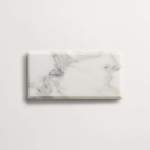
rome imports colored marble from across its empire: red porphyry from egypt, green serpentine from greece and yellow numidian from north africa. control of marble quarries becomes politically significant; emperor tiberius nationalizes key quarries.

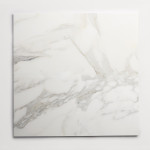
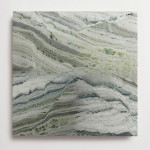
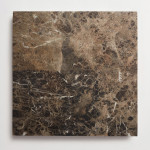
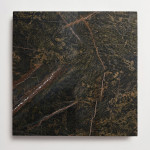
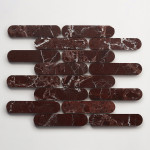
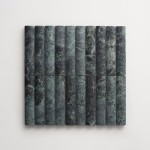
the roman appetite for marble was essentially modern: they wanted the full range, from every source, deployed with confidence. clé's marble collection follows the same logic — thassos white, rosso italiano, iberian chocolate, galician green — the whole spectrum, each from its original source.

today — clé

3.3 million years after the first human hand shaped a piece of flint, clé brings the same ancient material into contemporary homes and spaces. each tile carries the weight of geological time and the intention of human craft — thassos, galician green, iberian chocolate, rosso italiano and beyond.